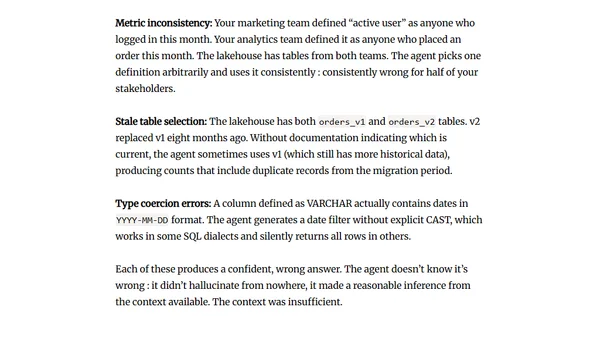
Why Traditional Lakehouses Fail AI Agents: The Mathematical Case for the Agentic Lakehouse
Explains mathematically why traditional lakehouses fail AI agents and introduces the agentic lakehouse concept.
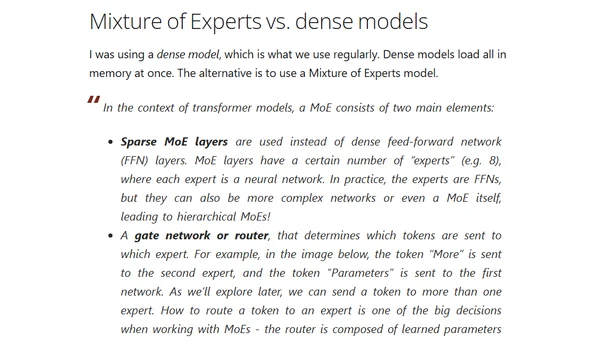
Analysis of MiniMax M2 LLM technical report highlighting production-oriented design choices like full attention, fine-grained MoE, and agent training pipelines.
Armin Ronacher explains why he uses 'clanker' instead of 'agent' for AI tools, emphasizing machines as tools without agency.
Explores using AI tools like Claude and Codex to write high-quality code slowly by finding and fixing bugs in PRs.
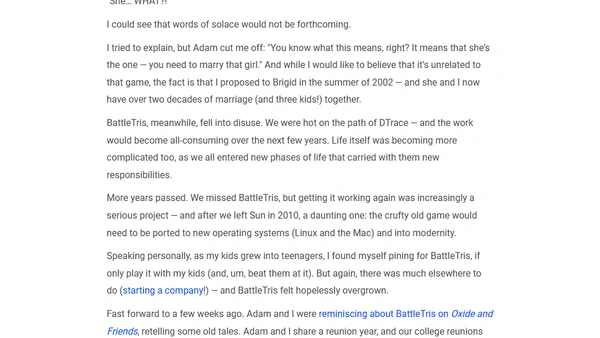
A reflection on a 30th college reunion, discussing AI anxiety and nostalgia for a student-built multiplayer Tetris game called BattleTris.
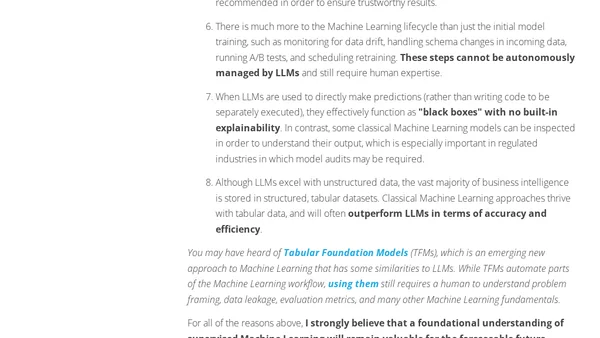
Explores whether learning Machine Learning is still valuable in 2026 despite the rise of LLMs, highlighting data control, cost, and human oversight.
A software developer's reflection on how LLM-based coding tools can worsen multitasking and context-switching, advocating for focused, single-tasking work methods.
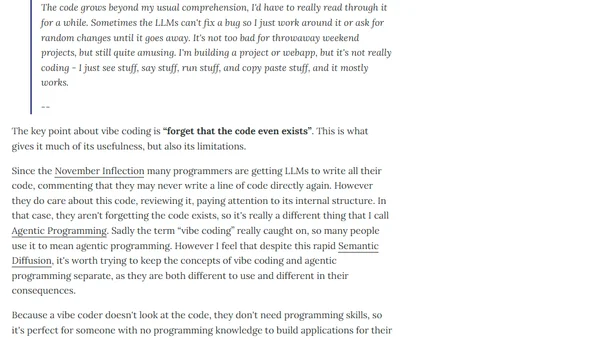
Explores 'vibe coding'—building software by prompting LLMs without reviewing generated code, its benefits, risks, and distinction from agentic programming.
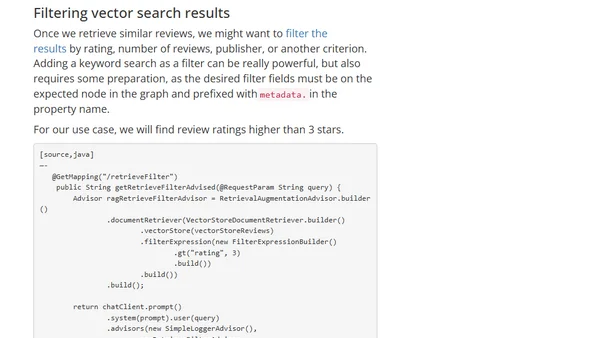
Guide to building a GraphRAG application using Spring AI Advisors, covering the advisor API and integration with Neo4j for book recommendations.
Martin Fowler shares insights from a retreat on software development's future with agentic programming, LLM code porting, and legacy modernization.
Explores using an LLM to interview humans for context gathering, document creation, and review in complex tasks.
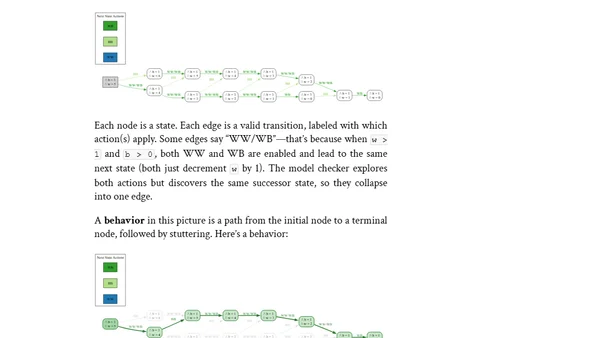
Learn how to use TLA+ with LLMs to model and verify system correctness through a classic bean puzzle example.
Explores the deeper purpose of code beyond machine instructions, emphasizing its role as a conceptual model and shared vocabulary in software development.
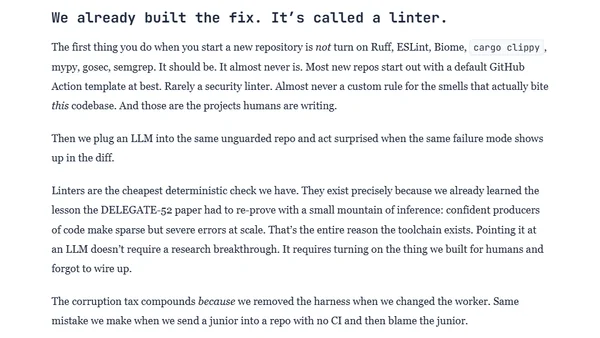
Analysis of how AI delegation in long workflows corrupts content, with solutions inspired by linters and CI for LLM oversight.
Explores token frugality (Tokensparsamkeit) for coding assistants, offering methods to reduce LLM token usage.
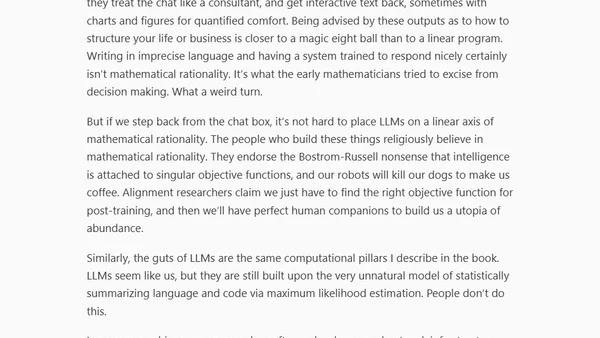
Explores whether LLMs are mathematically rational, contrasting their human-like language with computational rationality.
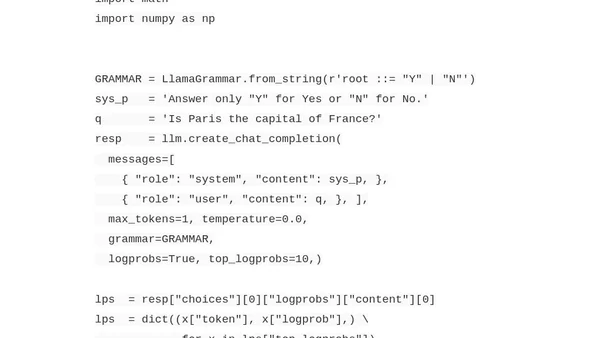
Techniques for using LLMs as probability distributions to reduce epistemic slop, including grammar constraints and statistical methods.
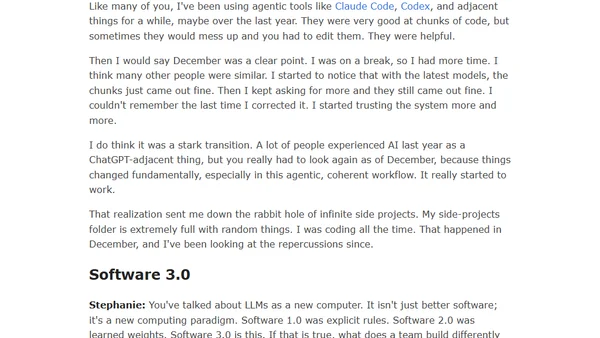
Summary of a fireside chat at Sequoia Ascent 2026 discussing AI agents, Software 3.0, and the shift to agentic engineering.
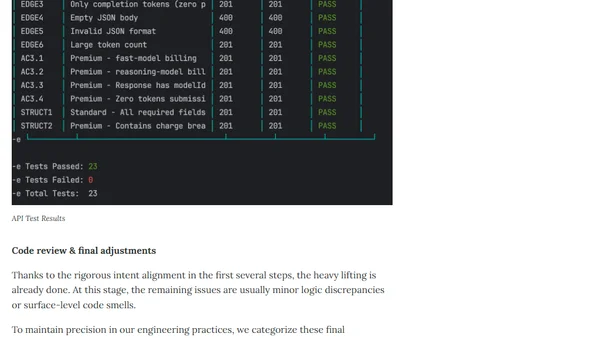
Structured-Prompt-Driven Development (SPDD) workflow for governable, reviewable, and reusable LLM-assisted code changes.
Crowd-sourcing metaphors used for LLMs and AI, like intelligence, learning, and reasoning.