What is "AI" versus "Machine Learning"? 🤔
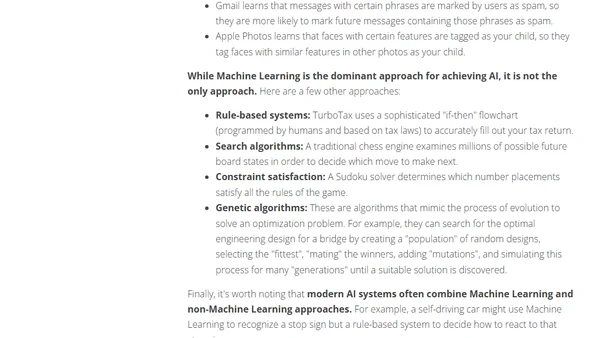
Explains the difference between AI and Machine Learning, with AI as the goal of intelligent systems and ML as a key approach to achieve it.
Kevin Markham is a data scientist, educator, and writer focused on practical machine learning, Python, and AI literacy. He’s best known for clear explanations of scikit-learn, pandas, and modern AI trends, helping practitioners stay effective without hype or overengineering.
12 articles from this blog
Explains the difference between AI and Machine Learning, with AI as the goal of intelligent systems and ML as a key approach to achieve it.
An analysis of key AI trends in 2025, focusing on industry leaders, AGI debates, and AI's impact on software development and science.
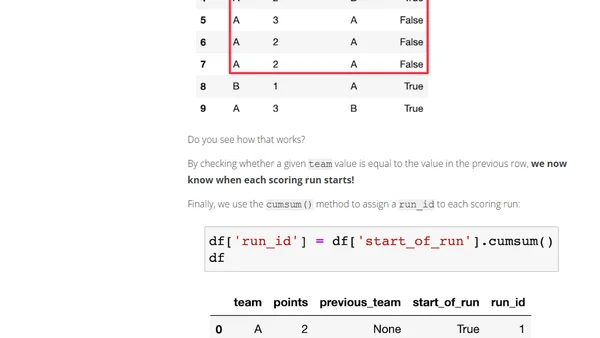
A tutorial on using pandas to calculate scoring streaks or runs in basketball data, demonstrating data manipulation techniques.
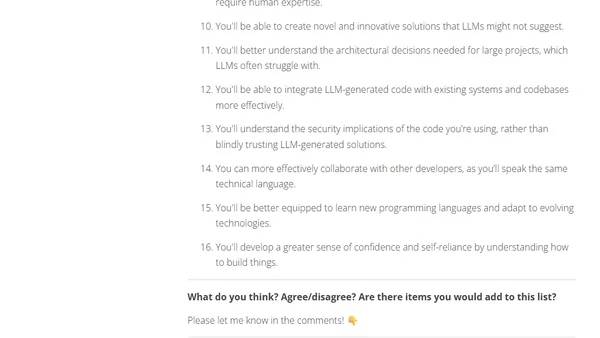
Argues that learning to code remains essential in 2025 despite advanced AI, emphasizing critical thinking, debugging, and career value.
A guide to the best newsletters, blogs, and resources for staying updated on the fast-moving field of Artificial Intelligence in 2025.
A practical guide to writing effective AI prompts, debunking the complexity of prompt engineering and offering simple tips for better results.
Explains data leakage in ML, why it's harmful, and how to prevent it when using pandas and scikit-learn for tasks like missing value imputation.
Explores the pros and cons of discretizing continuous features in machine learning, with a practical guide using scikit-learn's KBinsDiscretizer.
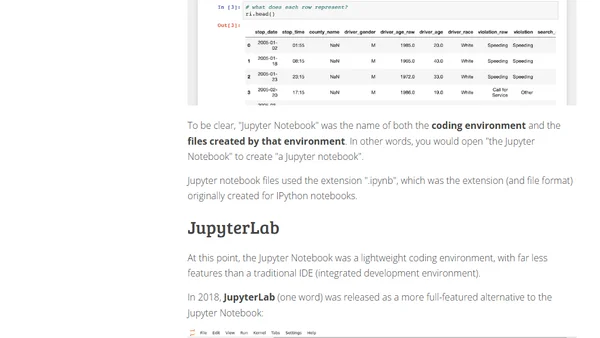
Explains the history and differences between IPython, Jupyter Notebook, JupyterLab, and related terms in the Python data science ecosystem.
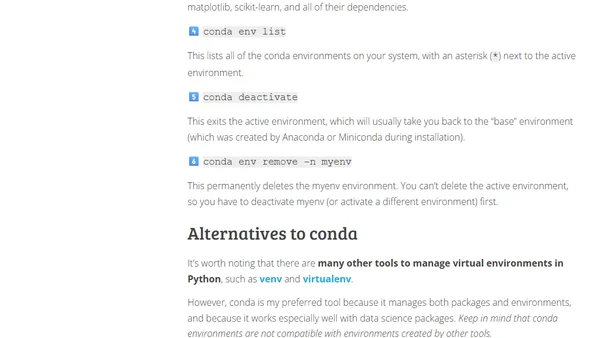
A guide explaining the benefits of conda virtual environments and six essential commands to create, activate, and manage them for Python projects.
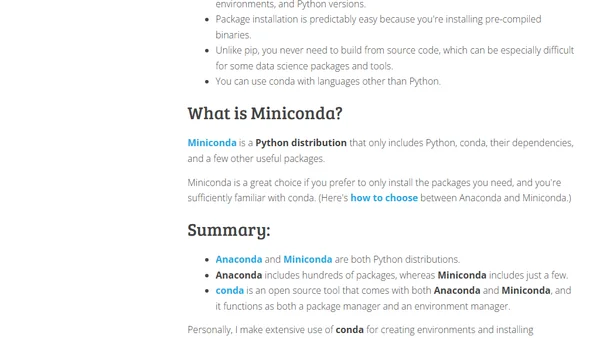
Explains the differences between conda, Anaconda, and Miniconda, focusing on their roles as Python distributions and package/environment managers for data science.
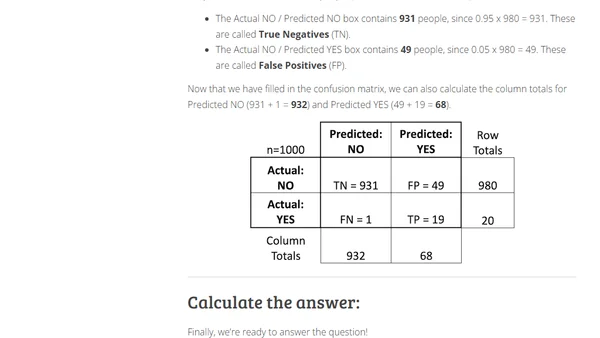
A data science tutorial using a confusion matrix to calculate the real probability of having a disease after a positive diagnostic test result.