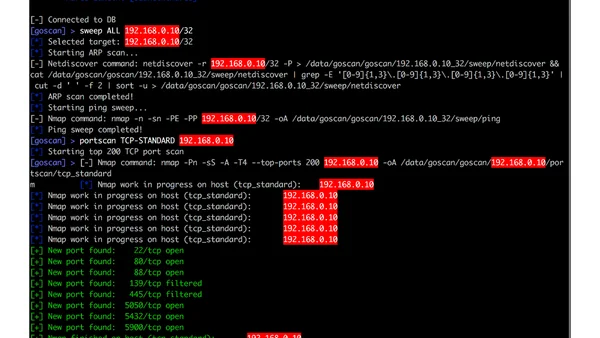
Introducing GoScan (aka a reason to learn Go)
A developer introduces GoScan, a network scanner tool written in Go, and explains how learning Go led to its creation and features like historical port tracking.
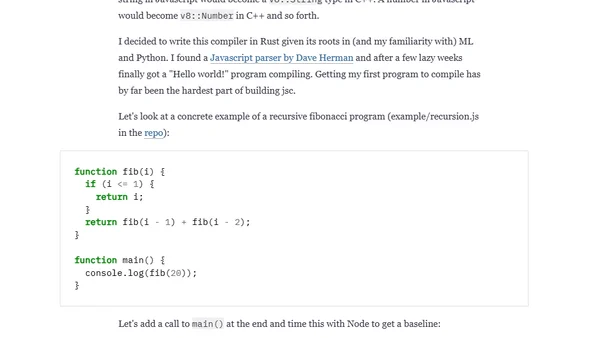
Explores techniques for compiling dynamic languages like Scheme and JavaScript by leveraging existing interpreter runtime code.
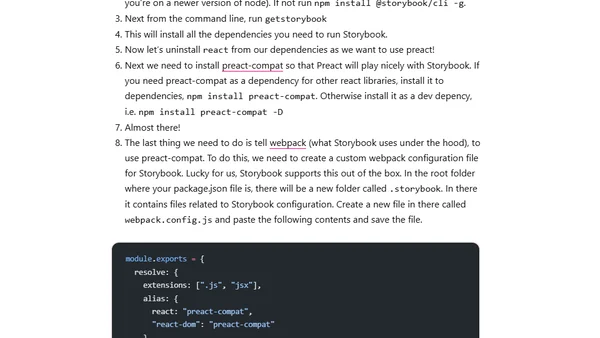
A guide to setting up Storybook for Preact projects, including CLI commands, webpack configuration, and replacing React dependencies.
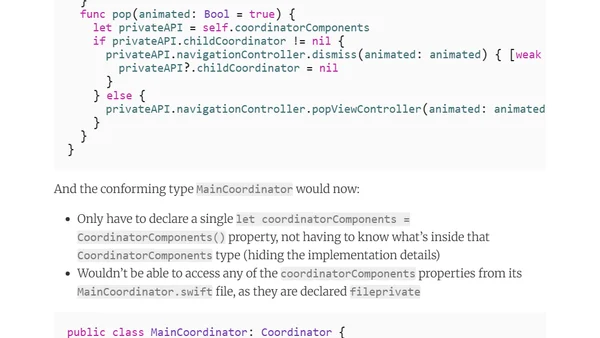
Explains a workaround for creating private properties in Swift protocols to hide implementation details from conforming types.
A software developer shares his detailed daily routine and strategies for managing a high volume of work, family, and community responsibilities.
The author shares strategies for getting your work noticed and building an audience, based on their personal experience with open-source projects.
Explains the software design principle 'Make impossible states impossible' to improve UI component APIs and state management.
A developer shares tips for maximizing conference value, based on their experience at React Rally, focusing on networking and learning.
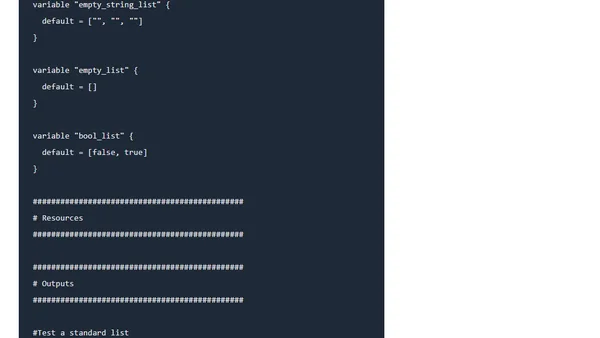
Explains the slice() function in Terraform for extracting subsets from lists, with examples and use cases.
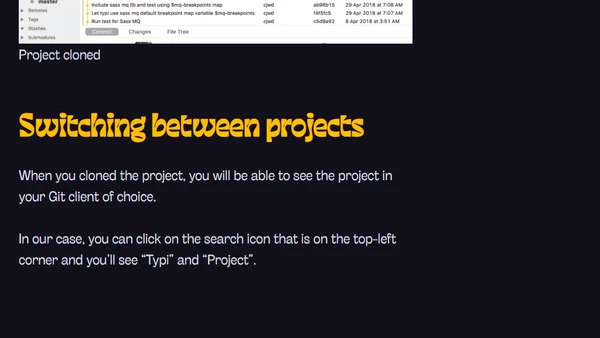
A beginner's guide to cloning a Git repository from GitHub, covering the process, SSH usage, and collaborator rights.
A technical tutorial on implementing and managing Azure Virtual Networks using PowerShell and CLI, including subnet creation and VM deployment.
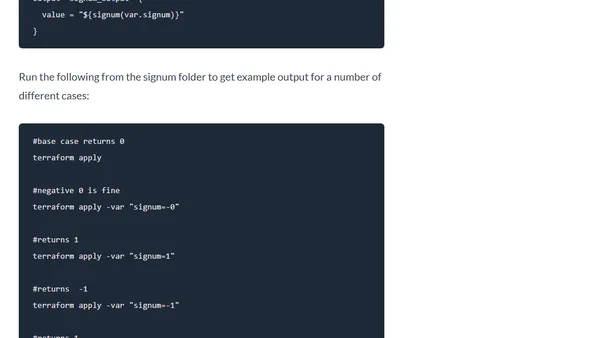
Explains the Terraform signum() function, which returns -1, 0, or 1 based on an integer's sign, with use cases and examples.
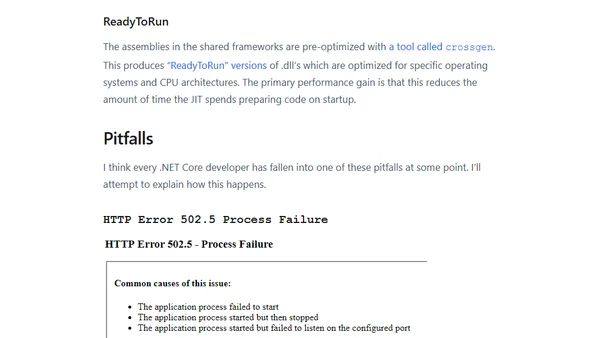
Explains .NET Core shared frameworks, comparing framework-dependent vs. self-contained deployments and detailing how the host loads dependencies.
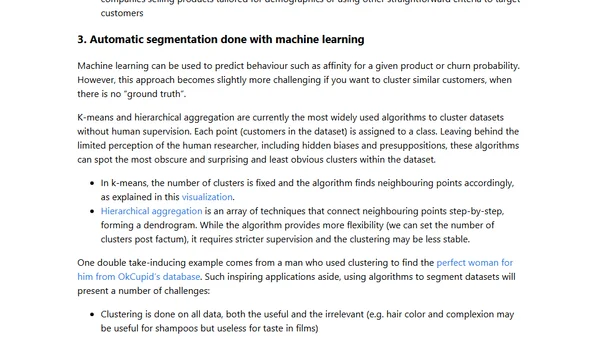
Explains four levels of customer targeting, from no segmentation to advanced recommendation systems, and their business applications.
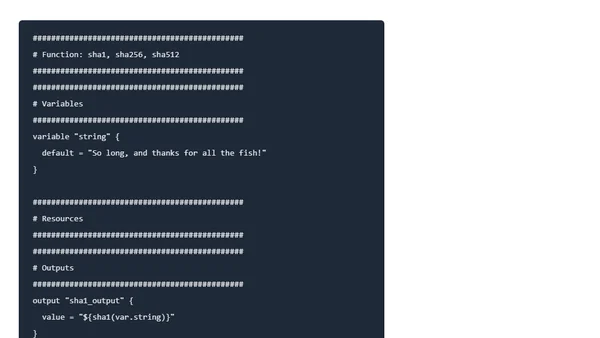
Explains Terraform's sha1(), sha256(), and sha512() hash functions, their usage, and security considerations.
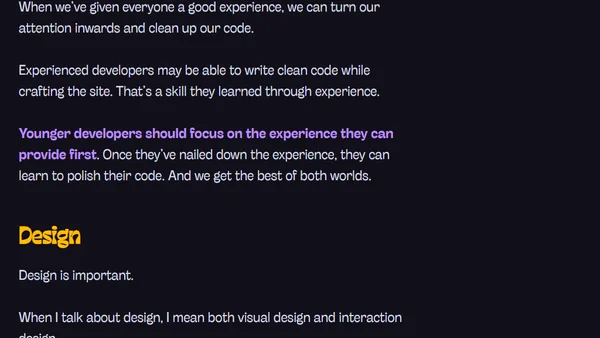
Explores the essential skills beyond JavaScript for frontend developers, focusing on empathy, code, design, and communication to create great user experiences.
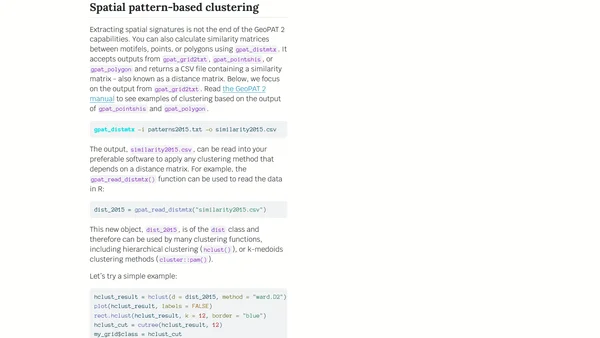
Final post in the GeoPAT 2 series, exploring advanced pattern-based spatial analysis methods and integration into custom workflows.
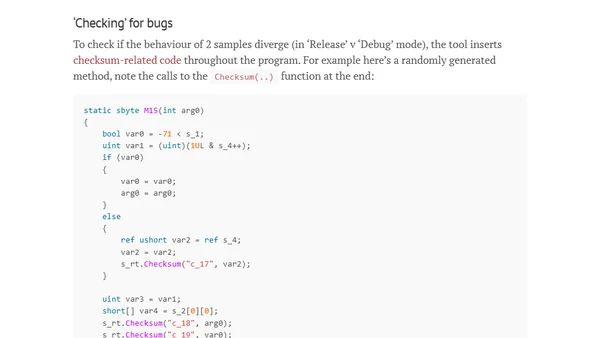
Explores the Fuzzlyn project, a fuzzer that generates random C# programs to find bugs in the .NET JIT compiler by comparing Debug and Release outputs.
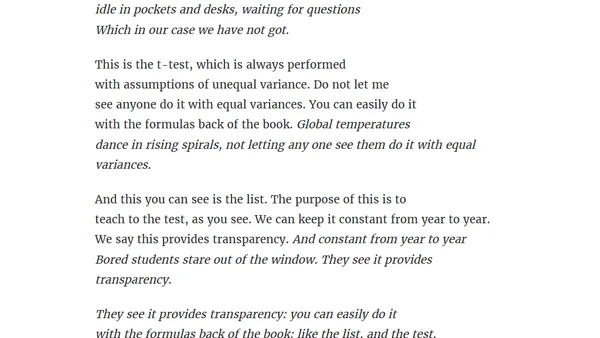
A critique of traditional statistics education, arguing for a more data-driven, question-focused approach using modern tools.
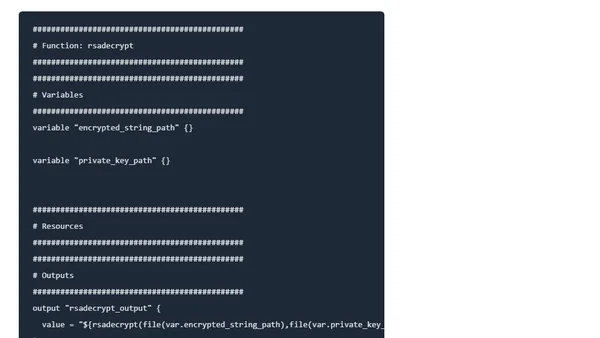
Explains the Terraform rsadecrypt() function for decrypting base64-encoded strings with an RSA key, including a practical example.