GPT-5.2
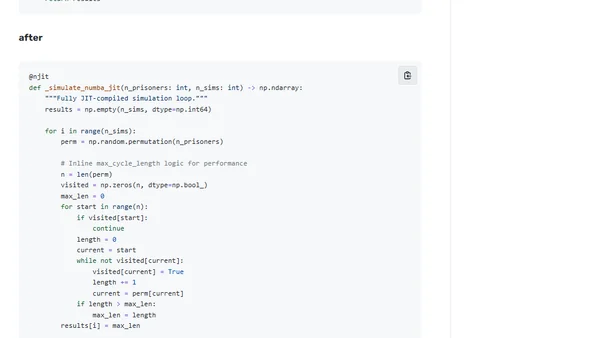
OpenAI announces GPT-5.2, a major AI model update with new variants, improved benchmarks, and advanced features like response compaction.
Explains how hardware performance depends on software selection and tuning, using a three-stage rocket analogy for tech leaders.
A humorous look at AI model benchmarking using the challenge of generating an SVG of a pelican riding a bicycle, and the risks of labs 'gaming' the test.
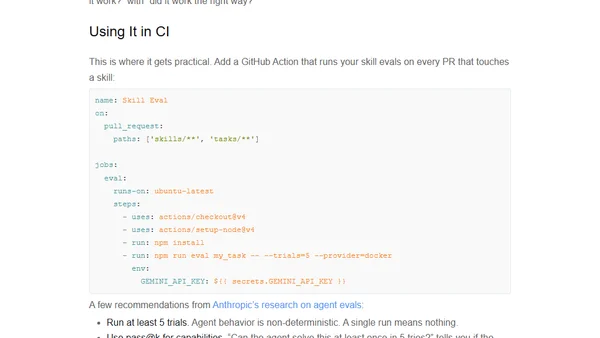
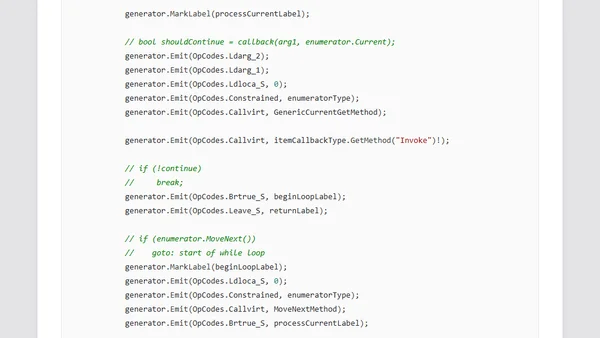
A guide to the four main methods for evaluating Large Language Models, including code examples and practical implementation details.
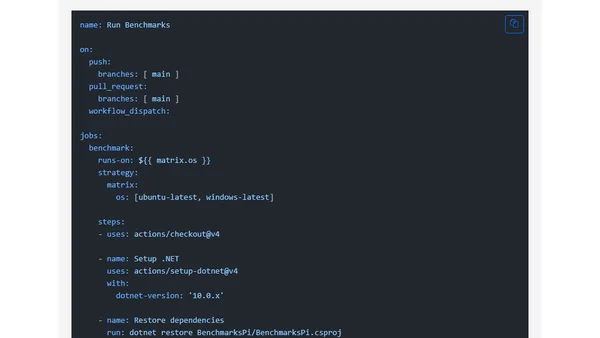
A guide to benchmarking language models using a Jupyter Notebook that supports any OpenAI-compatible API, including Ollama and Foundry Local.
A developer investigates why a Zig program runs 10x faster when using 'zig build run' versus executing the compiled binary directly.
A Java programming challenge to process one billion rows of temperature data, focusing on performance optimization and modern Java features.
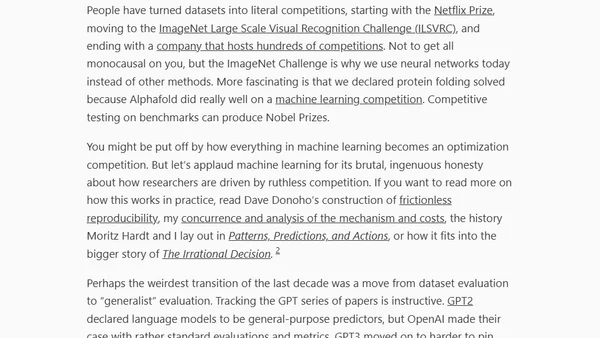
The author argues that measurement and data analysis are undervalued but high-ROI activities, using the impact of Jepsen tests as a key example.
Analyzing Django's performance for web apps, discussing benchmarks, user experience, and hosting costs to determine if it's 'too slow'.
Analyzes if car manufacturers optimize vehicles for specific crash tests by examining results from new, unpracticed IIHS safety tests.
An investigation into keyboard latency claims, comparing modern gaming keyboards to older computers using high-speed measurements.
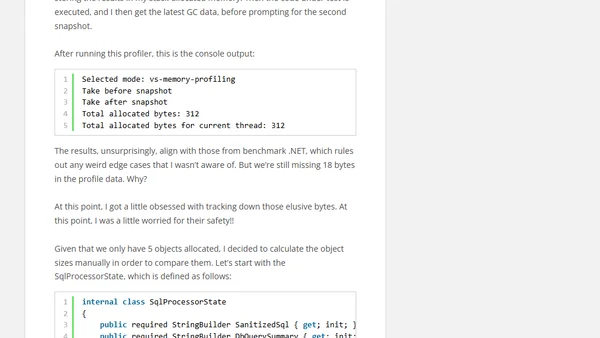
Part 2 of optimizing AngularJS performance with immutable data, using Benchpress for detailed profiling of execution and garbage collection times.
A historical account of Oracle's poor performance in a 1983 database benchmark and their alleged attempt to have the professor behind it fired.
Comparing JavaScript sorting algorithm performance, showing custom implementations can be slower than V8's native sort function.
Comparing JavaScript type-checking methods, showing that elegant, short code isn't always the fastest, with performance benchmarks.