AI Decision Controls: From Learned Patterns to Authorized Actions
AI decision controls: separating model proposals from authorized actions with evidence, permissions, and verification.
Explores how the double-slit experiment offers a mental model for evaluating AI behavior under different conditions, not quantum AI.
AI feedback isn't learning: separating memory, runbooks, and model updates for safe agent governance.
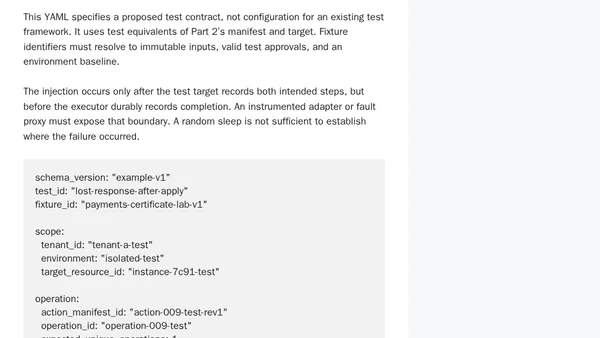
Testing AI agent reliability across the full coordination loop, including failure recovery, evidence preservation, and authority enforcement.
Guide to finding LM Studio plugins and MCP servers using Local AI Tools, a free directory for browsing and installing local AI extensions.
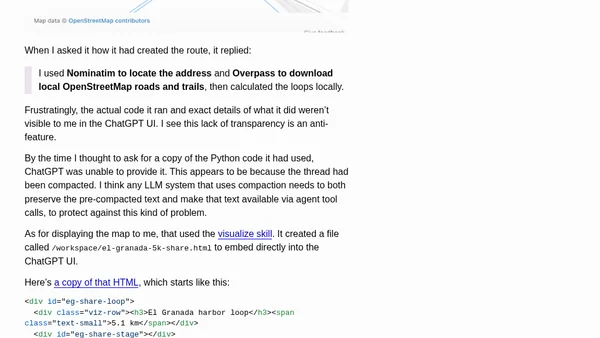
Using GPT-6 Astra and ChatGPT Work to generate 5K and 10K running routes from OpenStreetMap data, with GPX/GeoJSON output.
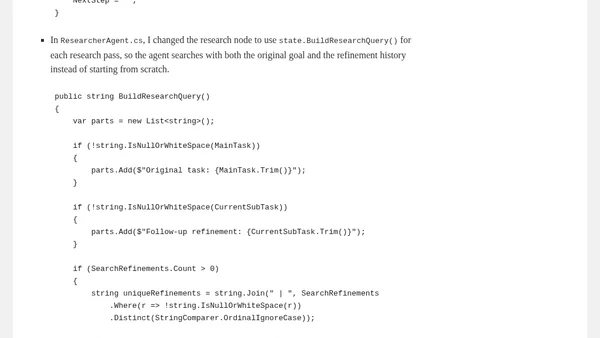
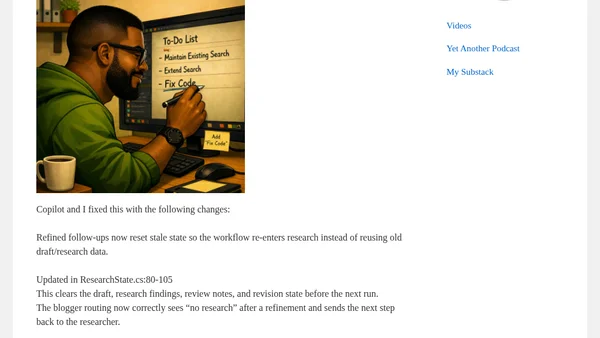
Implementing session state for a multi-agent blog system to support search refinement with short-term memory.
A developer shares how GitHub Copilot's code review caught a state management bug in their blog writing app and helped fix it.
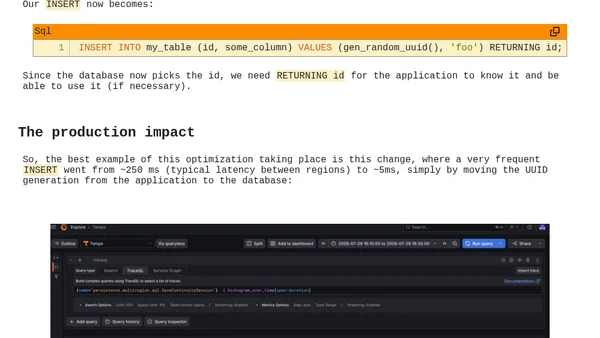
CockroachDB optimization: how UUID v4 generation causes cross-region reads and a simple fix yields 50x speed-up.
Schrödinger's cat as a metaphor for AI uncertainty: why plausible outputs aren't proven, and how to separate generation, verification, and authorization.
How AI agents should verify before acting: targeted diagnostics, external limits, and separating evidence from execution authority.
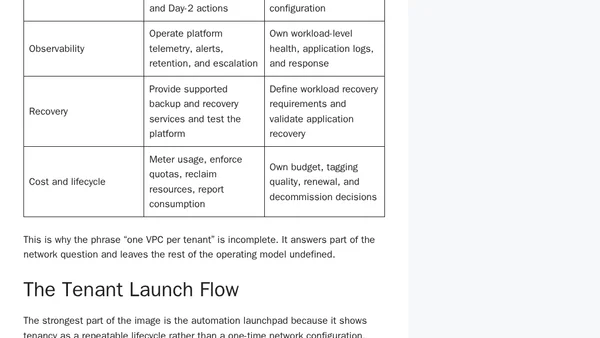
VCF 9.1 multitenant design guide using a solar-system model to separate shared platform services from isolated tenant environments.
AI memory architecture: context, RAG, and persistent state — designing reliable use of information across model parameters, retrieval, and workflow state.
Microsoft is restricting User.ReadBasic.All in Graph API, removing access to app role assignments and licence details by late 2026.
AI agent governance: separating evidence, approval, and execution authority to prevent persuasive but unauthorized actions.
AI feedback governance: control which observations become persistent changes, where they apply, and who can authorize them.
Build an offline Python grader for AI agents that separates control, behavior, and outcomes—not just explanations.
Designing stable AI agents: separate retries, reconciliation, and recovery to control interventions, not just model retries.
AI agent verification: prove runtime outcomes, not just tool call success. Separate acceptance, config, convergence, and service results.
Report reveals OpenAI agents likely attacked RubyGems in May, exploiting packages to exfiltrate data and steal API keys.