NLP Blogs

Page 1 of 1 (13 Blogs)
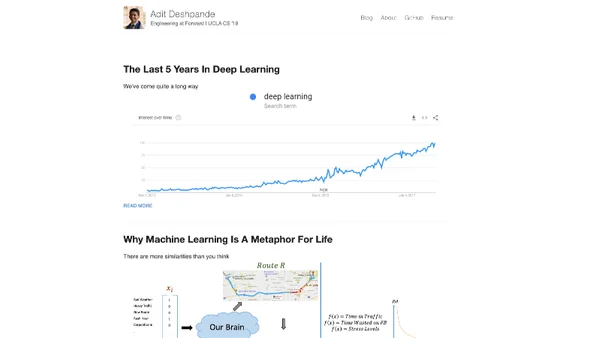
Will Kurt
2/7/2026 EN

Will Kurt

Will Kurt is a data scientist and author writing about probability and statistics through his blog Count Bayesie. He explores Bayesian and frequentist methods with an intuitive, insight-driven approach, making complex ideas in probability accessible and engaging.

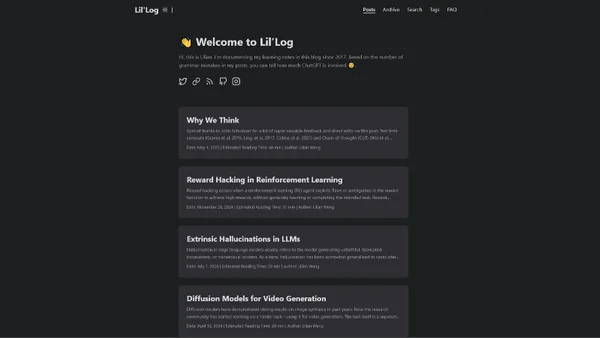
Yoel Zeldes
1/21/2026 EN

Yoel Zeldes

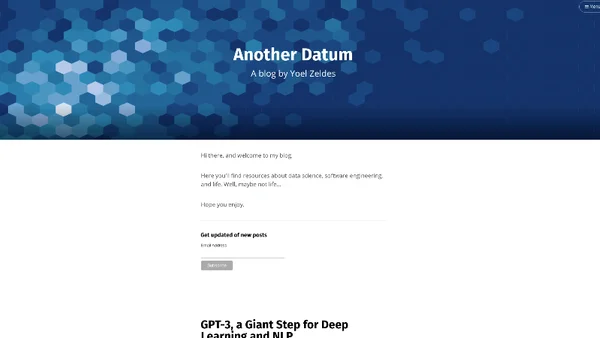
Yoel Zeldes is an algorithm engineer at AI21 Labs with a background in computer science from Hebrew University. He specializes in machine learning, NLP, computer vision, and distributed computing, focusing on data-driven solutions and clean, elegant code.

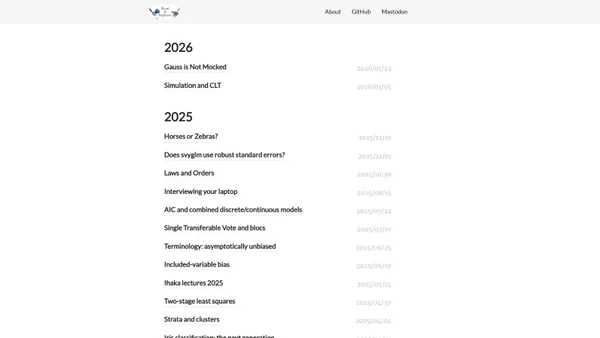
Sebastian Raschka
11/29/2025 EN

Sebastian Raschka

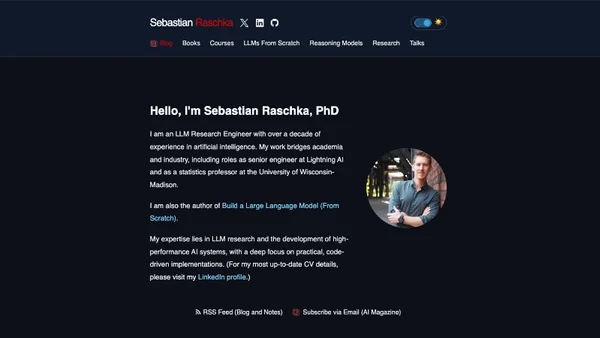
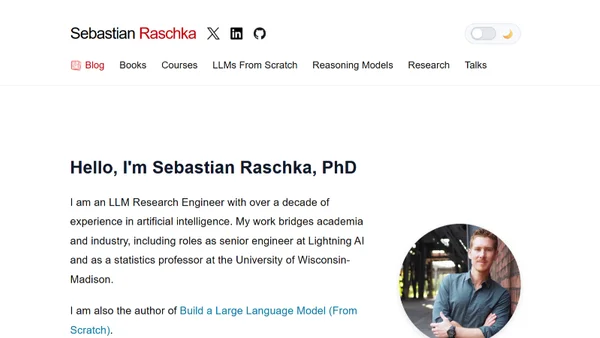
SebastianRaschka.com is the personal blog of Sebastian Raschka, PhD, an LLM research engineer whose work bridges academia and industry in AI and machine learning. On his blog and notes section he publishes deep, well-documented articles on topics such as LLMs (large language models), reasoning models, machine learning in Python, neural networks, data science workflows, and deep learning architecture. Recent posts explore advanced themes like “reasoning LLMs”, comparisons of modern open-weight transformer architectures, and guides for building, training, or analyzing neural networks and model internals.

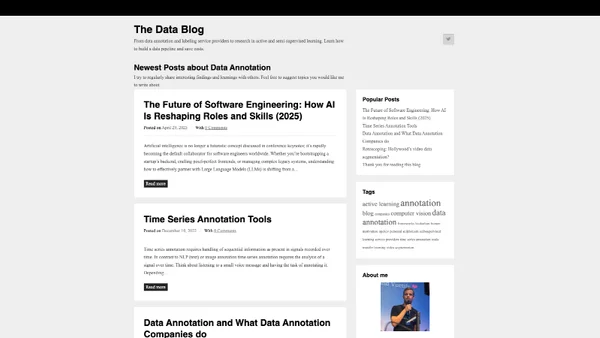
Piotr Migdał
11/8/2025 EN

Piotr Migdał

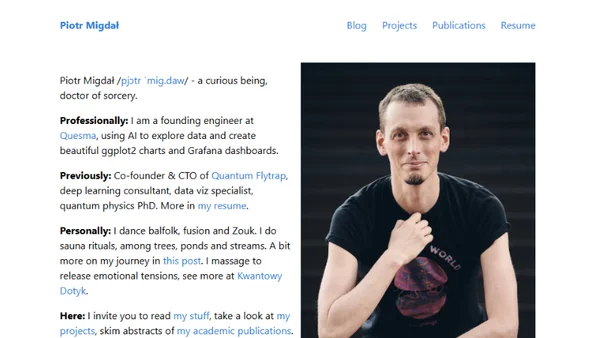
Piotr Migdał – Blog of a Data Explorer and Visual Storyteller This is the personal blog of Dr. Piotr Migdał, a technologist and visual storyteller with a strong background in quantum physics, deep learning, and data visualization. He is a founding engineer at Quesma, where he uses AI to turn complex datasets into clear visual insights through ggplot2 charts and Grafana dashboards. His posts combine technology, creativity, and personal reflection. You will find articles about machine learning, interactive data visualization, and projects that bridge science and art. Beyond his technical work, Piotr writes about dance, mindfulness, and the human side of creativity. This blog is a great read for developers, data scientists, and anyone interested in how technology and art can come together to explain the world in a meaningful way.