

Llms Blogs

Page 1 of 1 (3 Blogs)
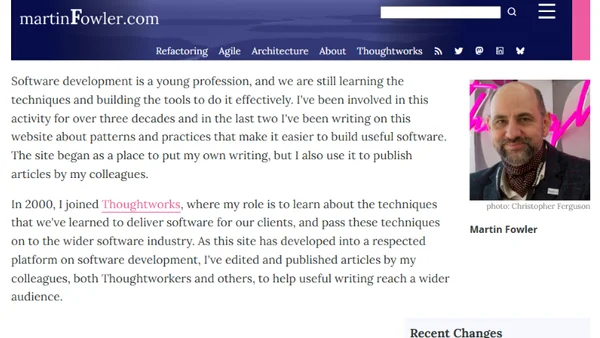
Martin Fowler
11/2/2025 EN

Martin Fowler

MartinFowler.com is the long-running technical blog of Martin Fowler, author, software architect, and Chief Scientist at ThoughtWorks. The site serves as a cornerstone for modern software engineering, featuring influential essays and guides on software architecture, refactoring, agile methodologies, design patterns, and continuous delivery. Martin’s writing combines deep technical expertise with a clear, educational tone, making complex ideas about domain-driven design, microservices, and testing strategies accessible to engineers of all levels. Classic works like Refactoring, Patterns of Enterprise Application Architecture, and Continuous Integration originated from concepts first explored on this blog. With over two decades of archives, MartinFowler.com remains one of the most authoritative and enduring resources in professional software development.
Josh Comeau
11/2/2025 EN

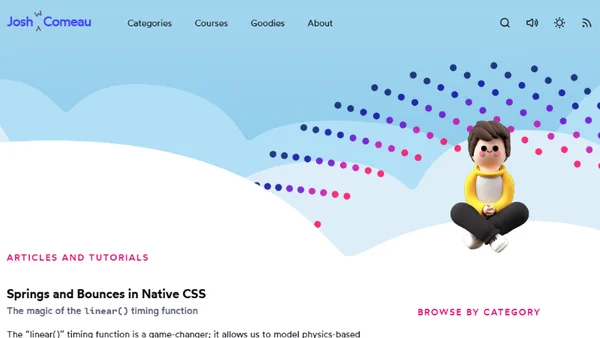
Josh Comeau

Josh W. Comeau is a frontend developer, educator and creator known for his engaging tutorials and deep dives into modern web development. On his blog he writes about React, CSS, animation, accessibility and design systems, combining technical precision with visual storytelling. His interactive posts make complex concepts easy to understand and help developers learn how the browser really works. Josh is the author of the popular course The Joy of React. His articles often explore the creative and human side of programming, mixing code with empathy and fun. His blog stands out for its clarity, practical value and beautifully crafted interactive examples.

Dan Luu
11/2/2025 EN

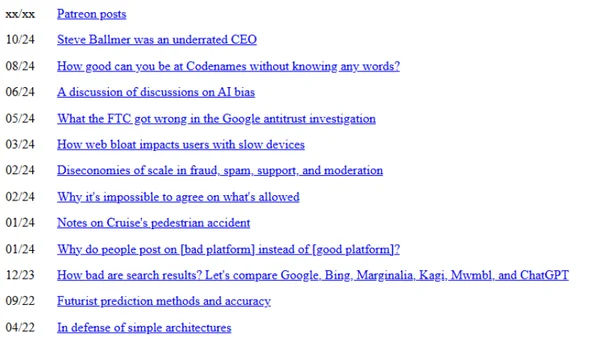
Dan Luu

DanLuu.com is the personal blog of Dan Luu, known for long-form essays that mix systems thinking with careful measurement and clear writing. The topics range from computer latency and input lag, testing versus informal reasoning, and concurrency bugs, to industry pieces on developer compensation and curated lists of programming blogs worth reading. Many posts include data, historical context, and reproducible reasoning, which is why the site is often cited in courses and shared across the developer community. The design is intentionally minimal, which puts all attention on the ideas.