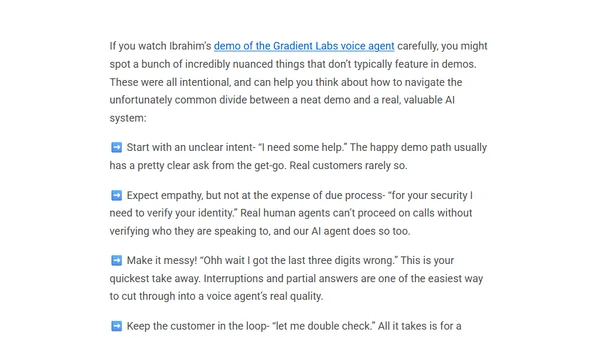
Realistic AI demos
Analysis of a realistic AI voice agent demo, highlighting key design principles for bridging the gap between demos and real-world systems.
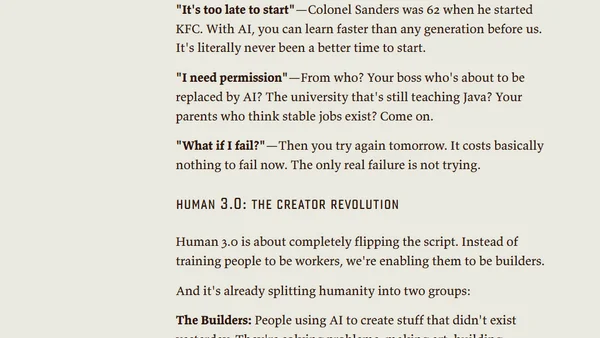
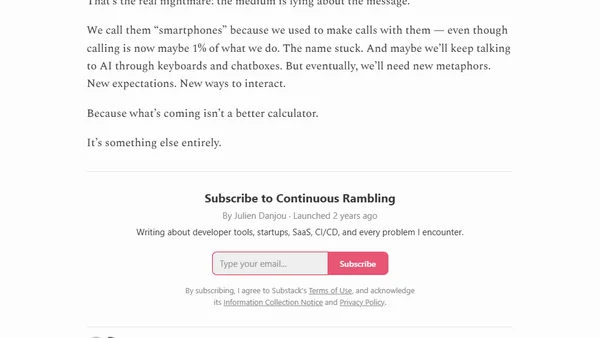
The article argues that AI's non-deterministic nature clashes with traditional computer interfaces, creating a fundamental human-AI interaction problem.
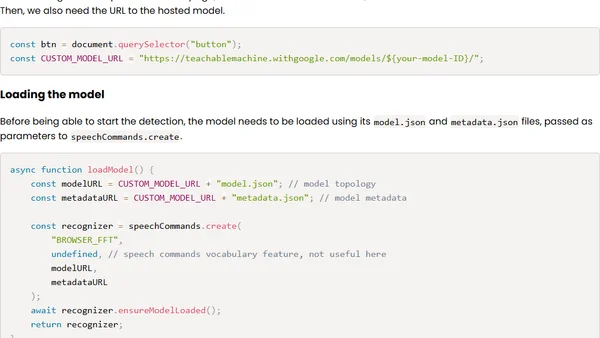
A developer recreates a research project using wireless earbuds' microphones to detect facial touch gestures and control UIs via machine learning in JavaScript.
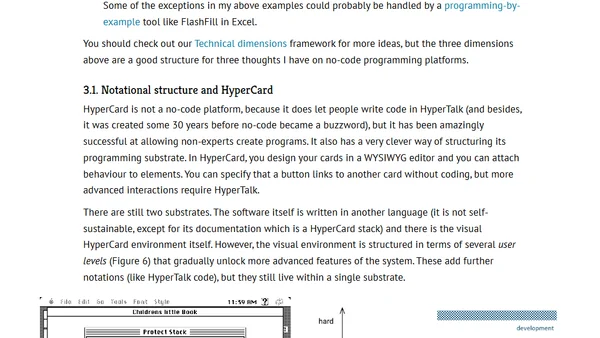
Explores the history and concept of no-code programming, questioning its novelty and analyzing it through the lens of 'programming substrates'.
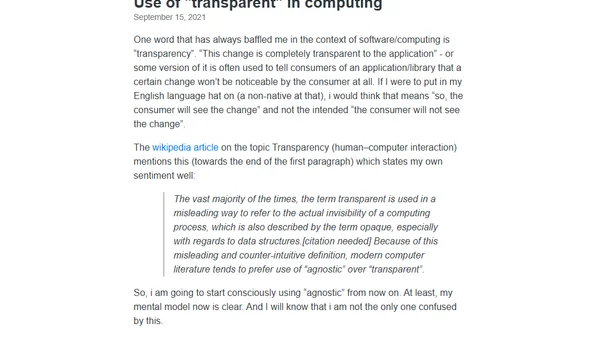
Explores the confusing use of 'transparent' in computing jargon and suggests 'agnostic' as a clearer alternative.
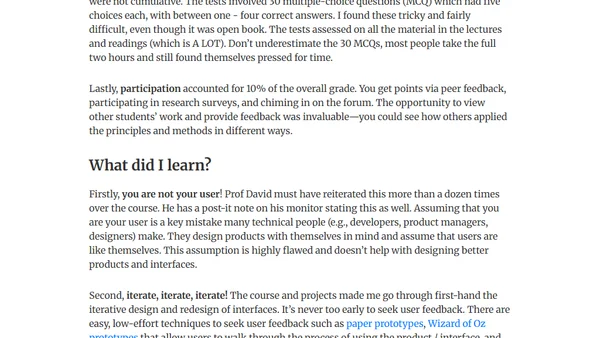
A review and tips for the OMSCS CS6750 Human-Computer Interaction course, covering its structure, workload, and value for tech professionals.
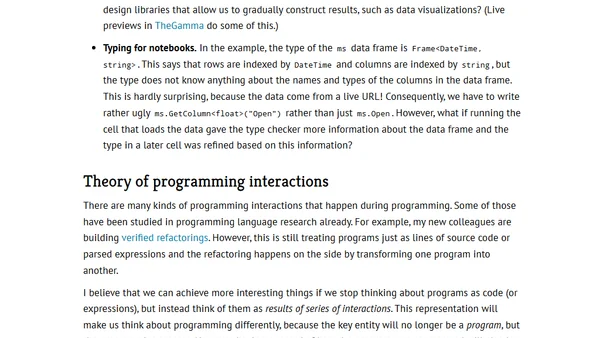
Argues for shifting programming language research focus from finished programs to the interactive process of programming itself.
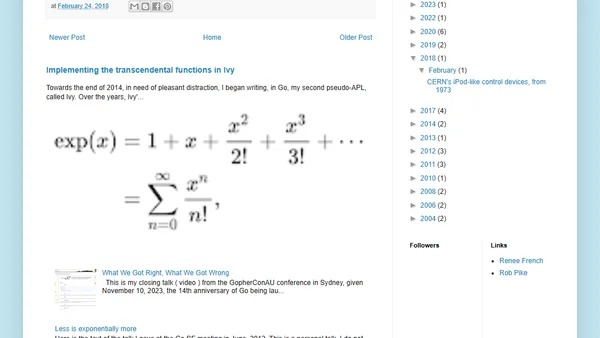
A 1973 CERN memo reveals programmable control knobs for a particle accelerator, predating and inspiring Apple's iPod click wheel.
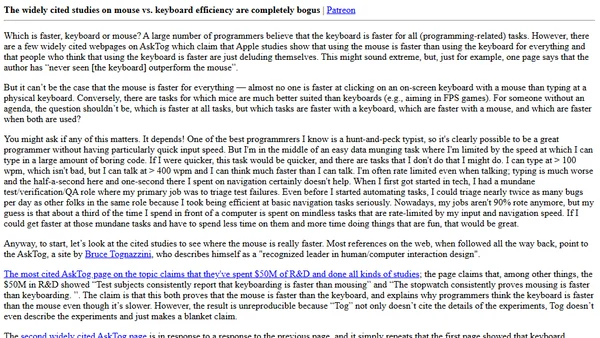
Debunks widely cited studies claiming the mouse is always faster than the keyboard, arguing for a task-specific approach to input efficiency.
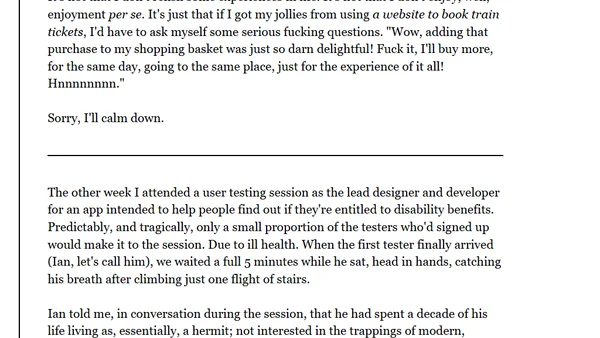
A UX designer critiques the overemphasis on 'experience' in design, arguing for simplicity and utility, especially for users with real-world constraints.