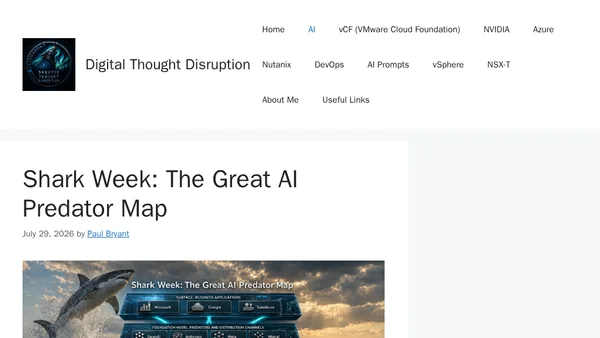
Shark Week: The Great AI Predator Map
An architectural analysis of the enterprise AI market, mapping how major tech companies compete for control points across workflows, models, infrastructure, and silicon.
Explores when to keep AI on-premises based on data gravity, latency, sovereignty, and cost for enterprise workloads.
A physicist turned AI developer explains creating Matrix Designer to enforce architecture and design before AI writes code, solving the problem of fragmented AI-generated software.
AI cost management shifts from infrastructure to architectural decisions, making context a primary design concern.
Explains the multi-layered architecture of production generative AI systems, covering hardware, models, orchestration, and tooling.
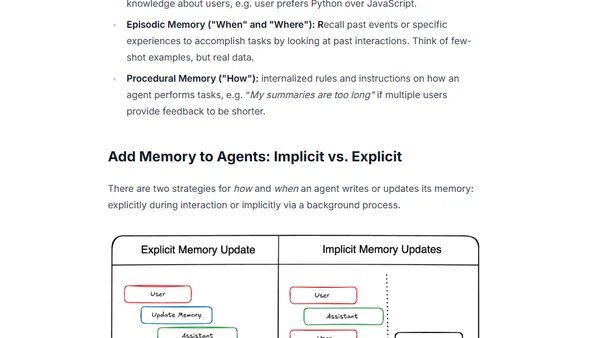
Explores the concept of memory in AI agents, detailing short-term and long-term memory architectures to overcome LLM statelessness.
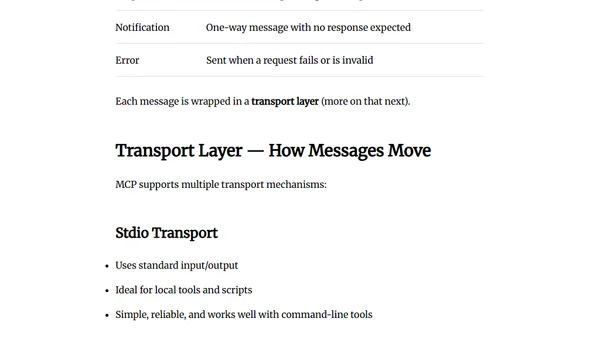
Explains the architecture of the Model Context Protocol (MCP), detailing its client-server model, core components, and message flow for connecting AI models to tools and data.
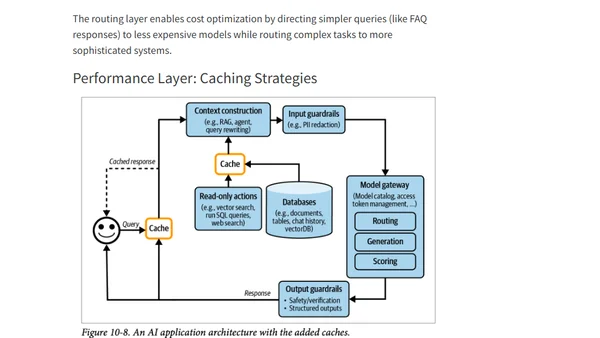
Explores AI engineering architecture patterns and user feedback methods, from simple APIs to complex agent-based systems.
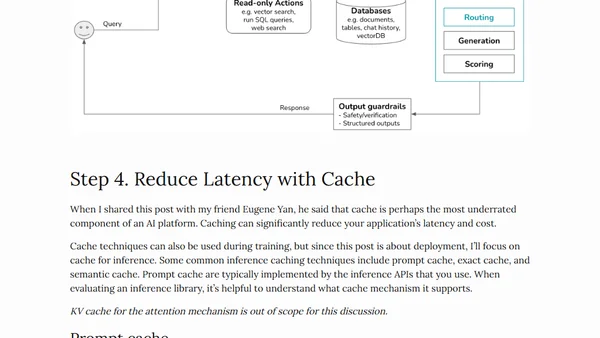
Explores the common architectural components and implementation steps for building a scalable generative AI platform, from basic models to complex systems.
Explains AI transformers, tokens, and embeddings using a simple LEGO analogy to demystify how language models process and understand text.