Hacking :visited
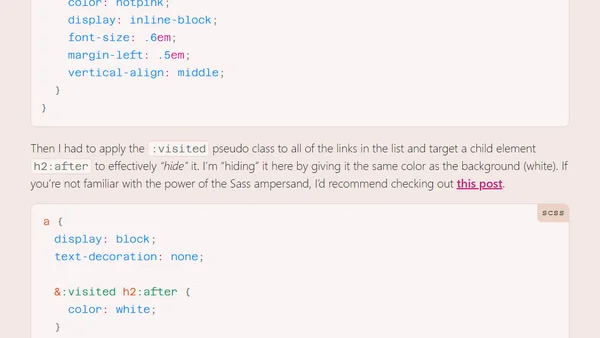
A developer explores the CSS :visited pseudo-class, its privacy limitations, and attempts to creatively style unread links on a blog.
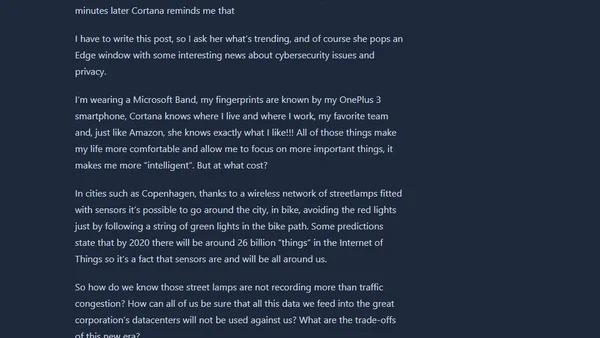
Analyzes the TV show Continuum to discuss real-world surveillance, IoT security risks, and the erosion of privacy in a connected world.
The author argues that all websites should use HTTPS by default to protect user privacy and security, making HTTP unethical.
Former Mozilla CEO discusses the 'network problem' of user data, privacy, and economic value, proposing solutions post-resignation.
Analysis of the Lavabit case, focusing on government overreach and Fourth Amendment violations in demanding encryption keys.
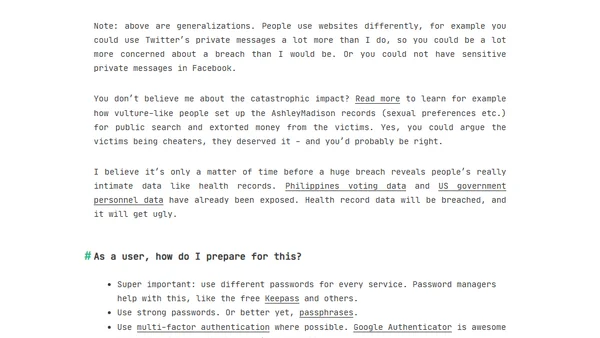
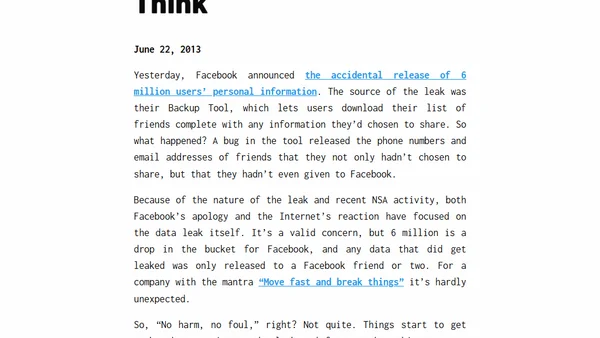
A 2013 Facebook bug leaked 6 million users' contact info, revealing the platform collects data from friends' contacts without user consent.
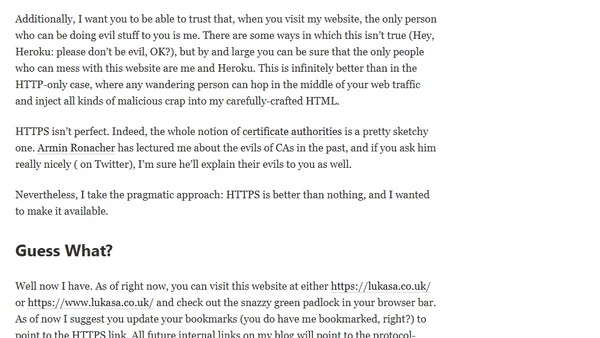
A developer explains the importance of HTTPS for privacy and security, detailing the process and reasons for finally enabling it on their personal blog.
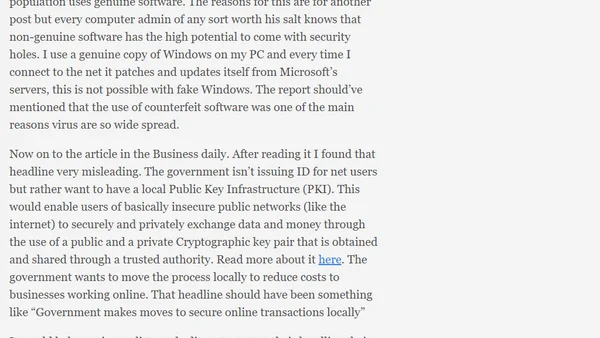
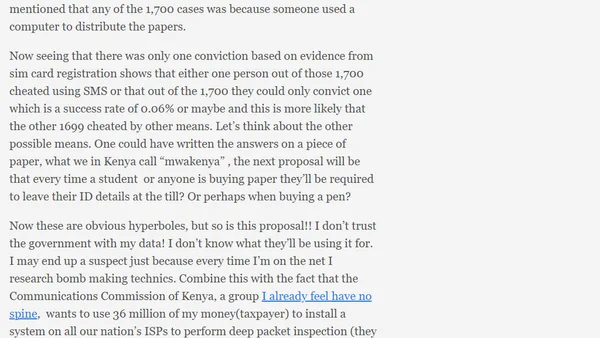
A computer science student analyzes a report on Kenya's internet security and discusses proposals for special internet IDs, privacy concerns, and cybersecurity best practices.
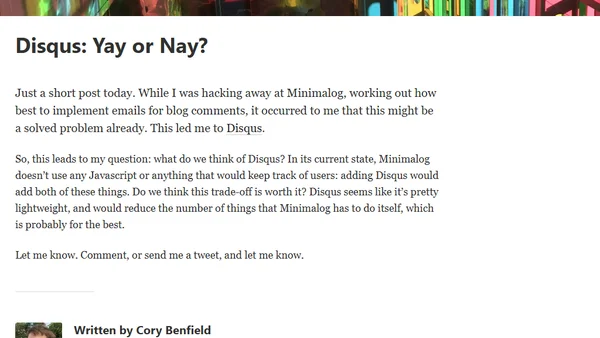
A developer considers using Disqus for blog comments, weighing its convenience against adding JavaScript and user tracking.
Critique of Kenyan government proposals for internet cafe user logging and ISP deep packet inspection, framed as privacy overreach in the name of cybersecurity.
A security researcher details a clickjacking vulnerability in Adobe Flash that allowed websites to secretly activate users' webcams and microphones.
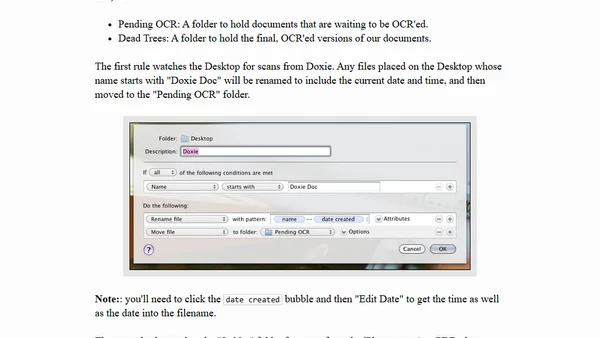
A guide to setting up a personal, automated paper-free document system for $220, focusing on scanning, OCR, and secure backup.
Twitter challenged a court gag order to notify users about a government data request, setting a precedent for digital privacy rights.
Investigating Google Chrome's persistent background connections to 1e100.net domains, exploring their purpose and potential tracking implications.