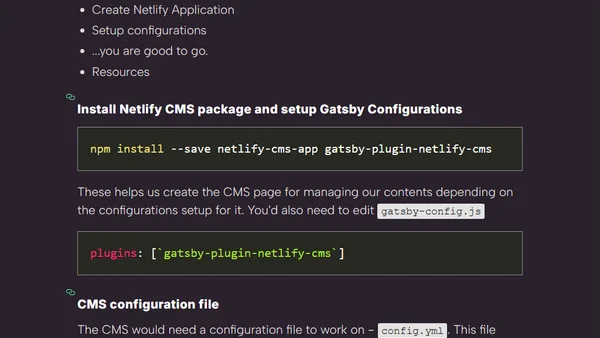
Gatsby.js: How to set up and use the React Static Site Generator
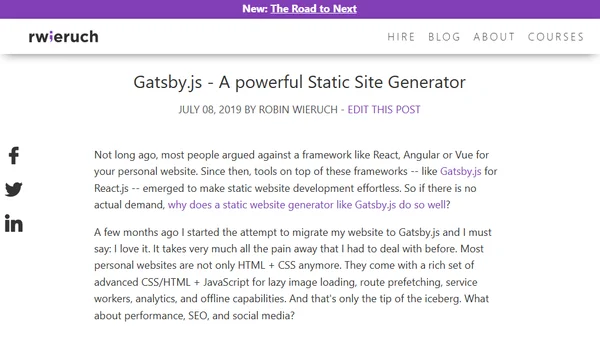
A tutorial on setting up and using Gatsby.js, a React-based static site generator, covering installation, project structure, and its key features.
A technical guide on updating the Hugo static site generator version for blogdown projects deployed on the Netlify platform.
A roundup of resources and tutorials for using the blogdown R package to create websites with R Markdown and Hugo.
Stitcher beta 2 release introduces new features like async rendering, sitemap support, and breaking config changes ahead of version 1.0.
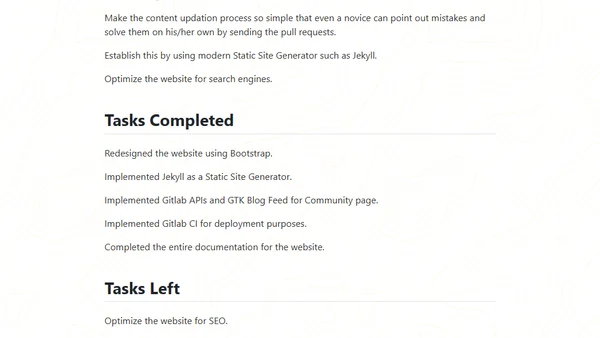
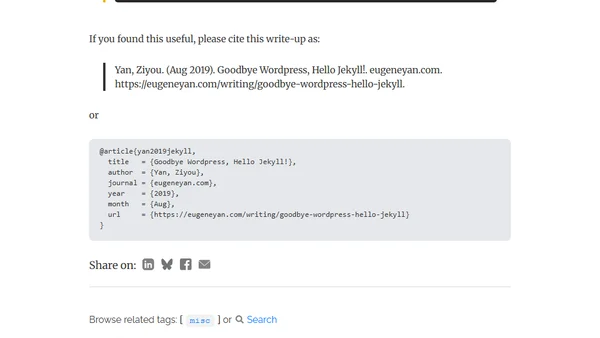
A developer details migrating their blog from WordPress to Jekyll and GitHub Pages after hosting issues, highlighting the benefits of static site generation.
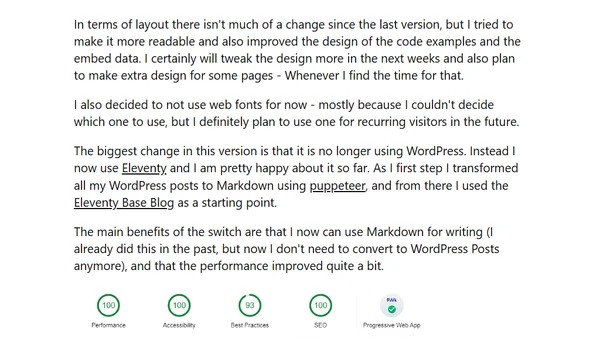
A developer details the 2017 technical relaunch of their personal website, switching from WordPress to Jekyll for a static, fast, and accessible site.
How to use the handroll static site generator to create sitemaps and robots.txt files for better search engine visibility.
A developer explains why they moved away from WordPress and built their own static site generator for better performance and simplicity.
A 5-day technical guide to building and publishing a website using Hugo and DigitalOcean, without a CMS.
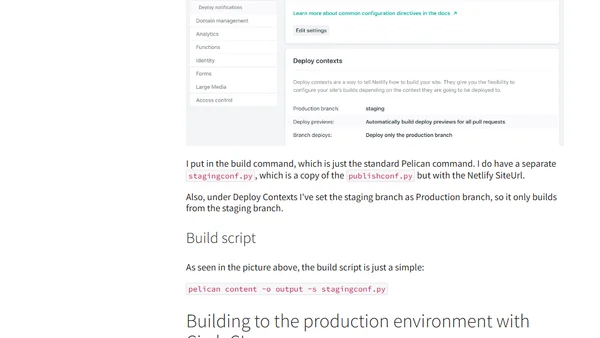
A guide to automating the deployment of a Pelican static site to GitHub Pages using a custom git hook and branch strategy.
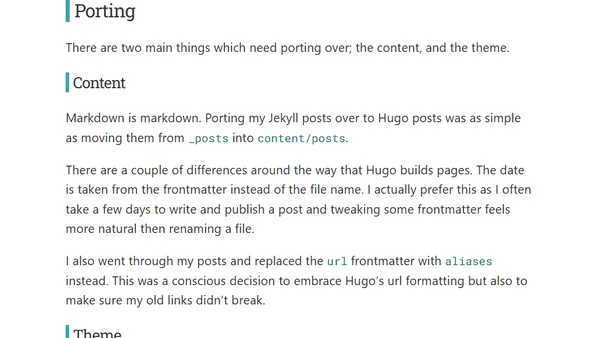
A developer details migrating their blog to Hugo, a static site generator, and deploying it on Azure for improved performance and reduced maintenance.
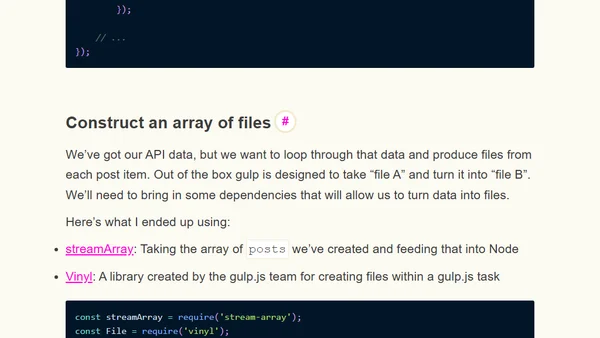
An author shares their experience of publishing a 6000-word article on Smashing Magazine about scaling a static site generator for 2000 pages.
A guide on using Jekyll's custom collections to create visual CSS cheatsheets and demos for rapid testing and learning.
A developer explains their decision to start a new blog using Hugo and GitHub Pages, aiming for weekly posts.
The author explains their decision to start a blog using Jekyll, citing its simplicity, GitHub integration, and support for Markdown.
The author announces that their personal blog's source code is now publicly available on GitHub, making it open source.
A developer details their migration from Jekyll to Ghost for their blog, covering theme creation, post export, and domain transfer challenges.
A developer explains their technical reasons for migrating a personal blog from WordPress to the Middleman static site generator.
Explains how to add a 'suggest an edit' link to Jekyll blog posts, enabling readers to easily submit corrections via GitHub pull requests.
The article argues for making website source code public by default, especially for blogs and simple sites, to help other developers learn and collaborate.