Notes on concurrency bugs
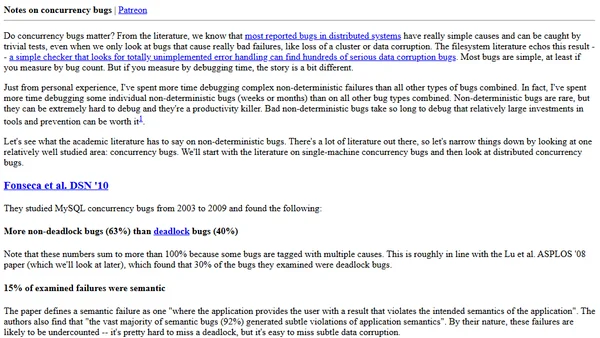
An analysis of concurrency bugs, their prevalence, and the disproportionate debugging time they consume, citing academic studies.
DanLuu.com is the personal blog of Dan Luu, known for long-form essays that mix systems thinking with careful measurement and clear writing. The topics range from computer latency and input lag, testing versus informal reasoning, and concurrency bugs, to industry pieces on developer compensation and curated lists of programming blogs worth reading. Many posts include data, historical context, and reproducible reasoning, which is why the site is often cited in courses and shared across the developer community. The design is intentionally minimal, which puts all attention on the ideas.
128 articles from this blog
An analysis of concurrency bugs, their prevalence, and the disproportionate debugging time they consume, citing academic studies.
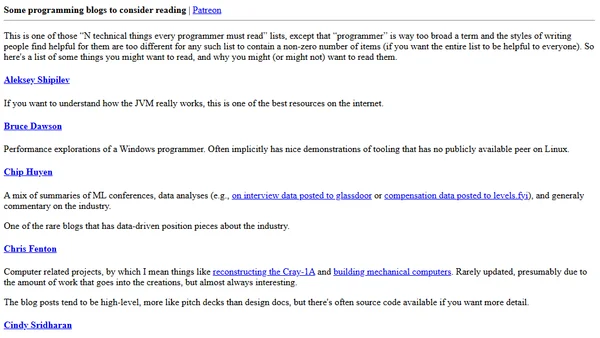
A curated list of insightful programming blogs covering topics like JVM internals, performance, ML, engineering culture, and computer architecture.
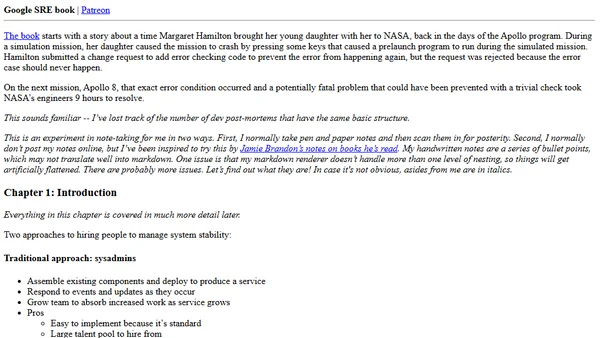
A summary and analysis of Google's SRE book, contrasting traditional sysadmin roles with Google's Site Reliability Engineering approach.
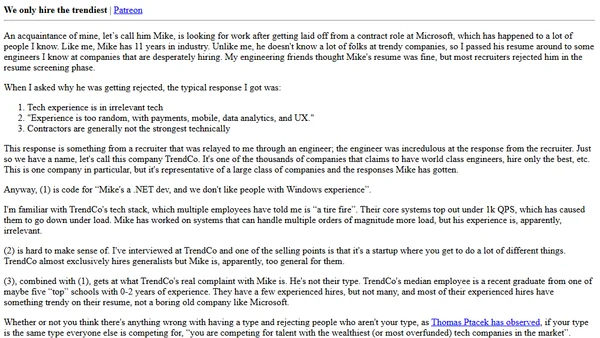
An analysis of hiring biases in tech, where experienced candidates are rejected for not fitting a 'trendy' profile from elite schools.
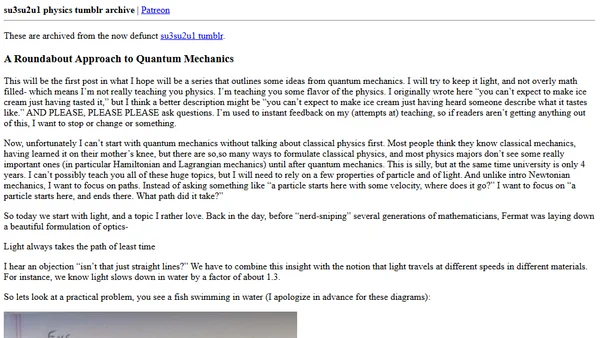
An archived blog post introducing quantum mechanics concepts, starting with classical physics and Fermat's principle of least time in optics.
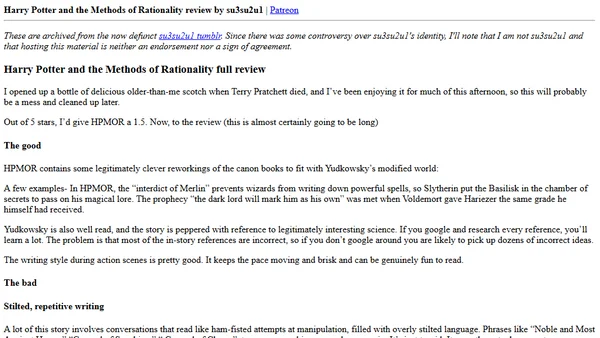
A critical review of the fanfiction 'Harry Potter and the Methods of Rationality', highlighting its clever ideas but flawed execution.
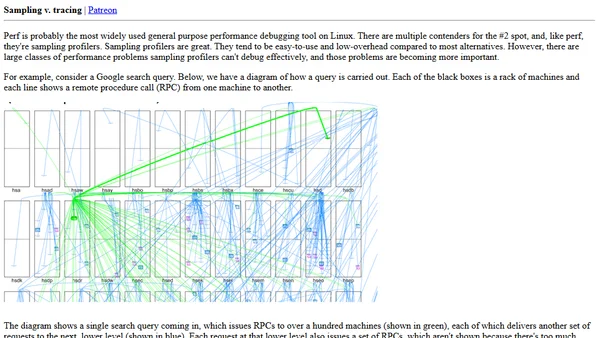
Explains why sampling profilers fail at debugging tail latency and introduces Google's event tracing framework as a solution.
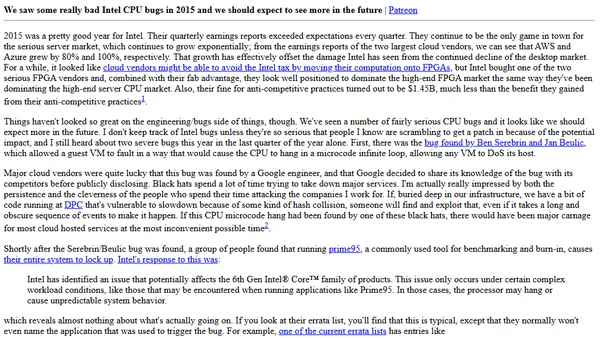
Analysis of Intel's strong 2015 market performance contrasted with the emergence of serious CPU bugs and the expectation of more in the future.
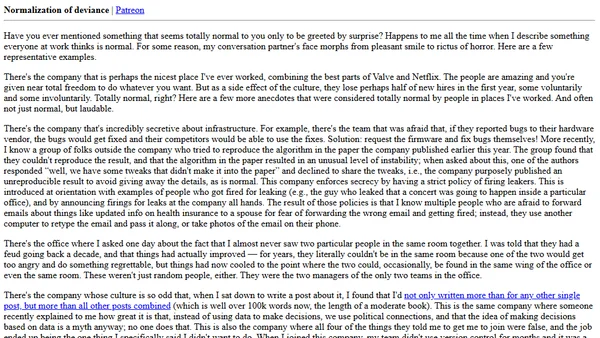
The author explores 'normalization of deviance' by sharing workplace anecdotes where bizarre or unethical practices were considered standard.
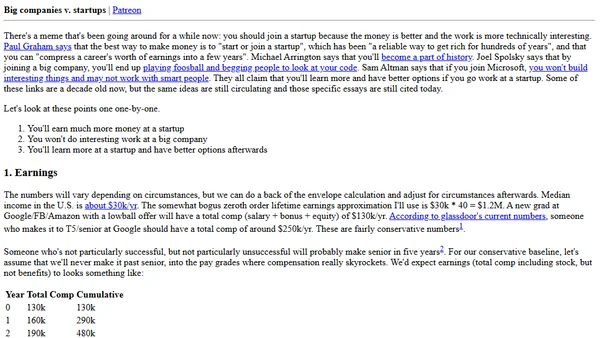
Analyzes the debate between working at a startup vs. a big tech company, challenging common claims about earnings and career growth.
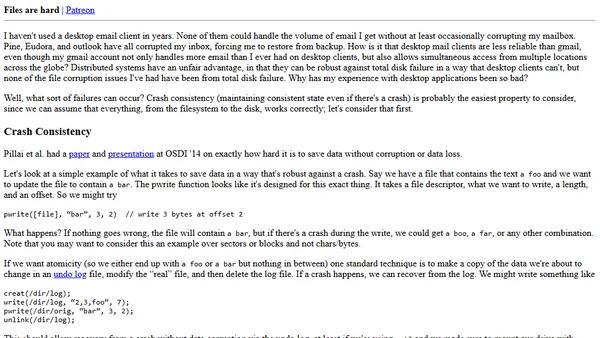
Explains why desktop apps corrupt files and the technical challenges of ensuring crash consistency when saving data.
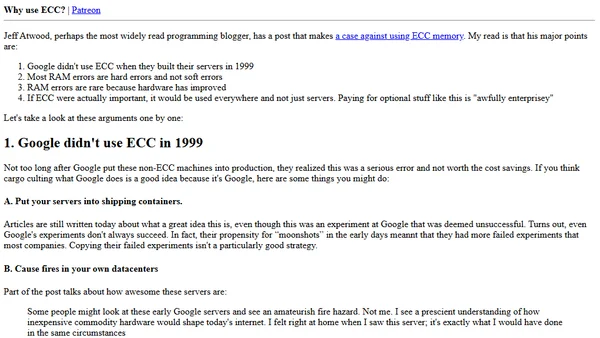
A rebuttal to arguments against using ECC memory, using Google's historical hardware decisions as a case study.
An analysis of Butler Lampson's 1999 predictions on computer science, comparing what worked then to the state of technology in 2015.
Explores how hardware latency, especially disk vs. network speeds, enables the concept of 'infinite' disaggregated storage in data centers.
Explains how Intel's cache partitioning technology enables higher server utilization by isolating workloads, based on Google's research.
Analysis of how 'limping' or slow hardware nodes can severely degrade distributed system performance, based on academic research.
An analysis of Steve Yegge's surprisingly accurate tech predictions, including the rise of JavaScript and cloud hosting.
An analysis of common patterns in technical postmortems, focusing on error handling and configuration as primary causes of system failures.
Analysis of SourceForge injecting adware and Slashdot's censorship of the story, eroding user trust in both platforms.
Explores how websites blocking non-Google crawlers in robots.txt files can harm web archives and create a search engine monopoly.