The Waiting Time Paradox, or, Why Is My Bus Always Late?
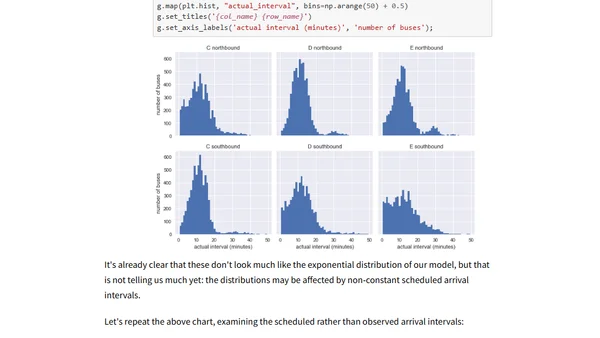
Explores the 'waiting time paradox' using probability, simulation, and real bus data to explain why average wait times often exceed the scheduled interval.
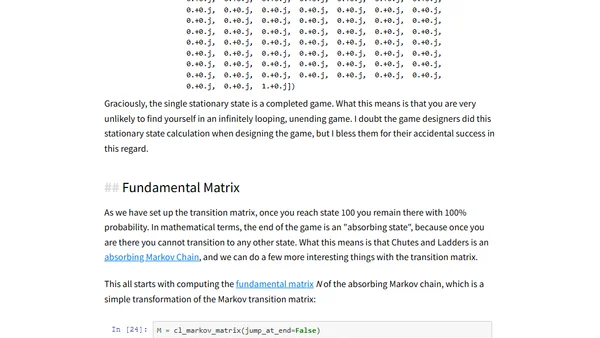
A technical analysis of the Chutes & Ladders board game using Python simulation and Markov chain modeling to calculate expected game length.
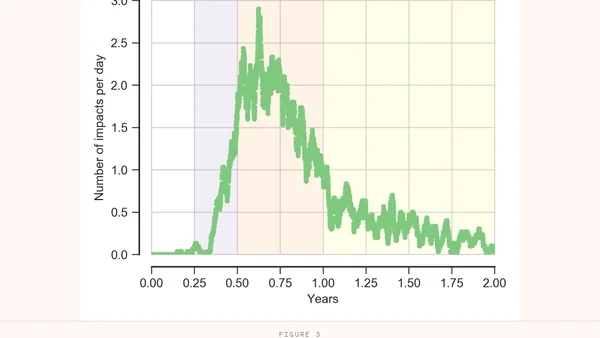
A numerical simulation exploring the orbital mechanics and fragmentation of the moon as depicted in Neal Stephenson's novel Seveneves.
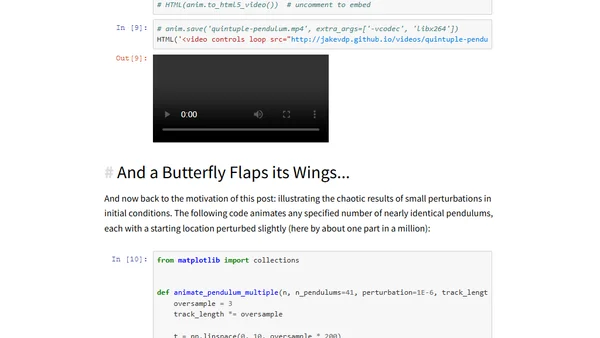
A technical walkthrough of simulating a chaotic triple pendulum system in Python using Sympy and Kane's Method.
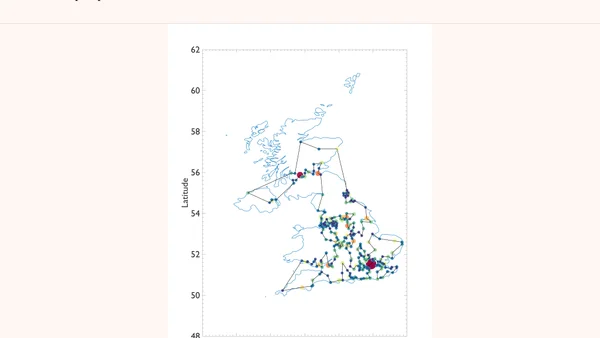
A humorous analysis of the physics and logistics of Santa's Christmas Eve journey using the Travelling Salesman Problem.
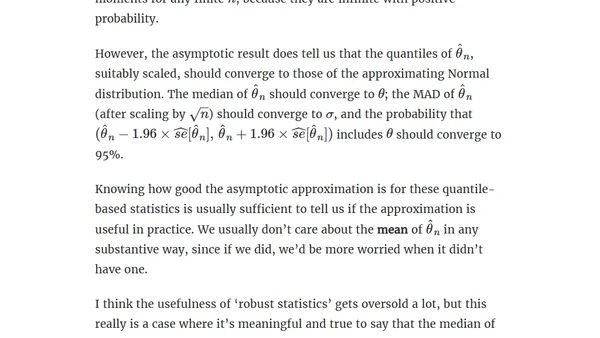
Discusses why simulation summaries should focus on quantiles and robust statistics rather than moments when evaluating asymptotic approximations.
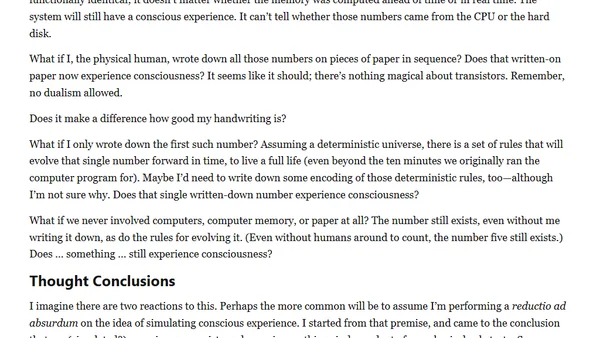
Explores the philosophical implications of consciousness arising from mathematical structures and simulations, inspired by Greg Egan's Permutation City.
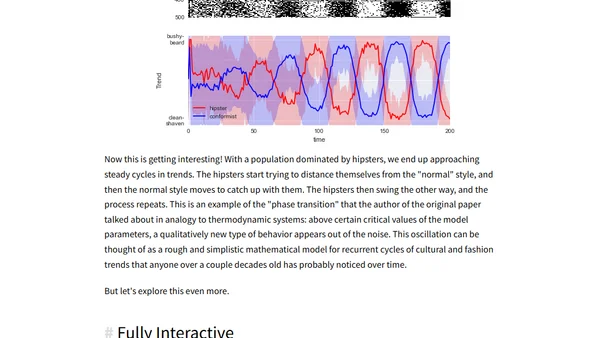
An interactive exploration using IPython to simulate and understand the mathematical model behind 'The Hipster Effect' paper on conformity and non-conformity.
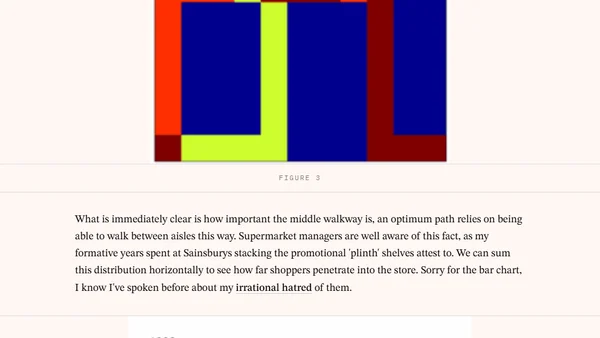
A technical analysis of supermarket layout optimization using the A* pathfinding algorithm to simulate shopper movement.
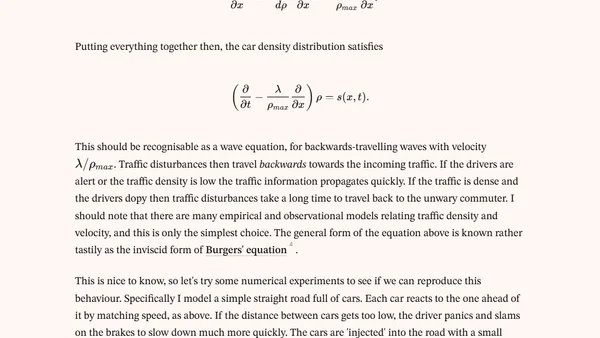
A mathematical model of traffic flow explaining phantom traffic jams using car-following equations.
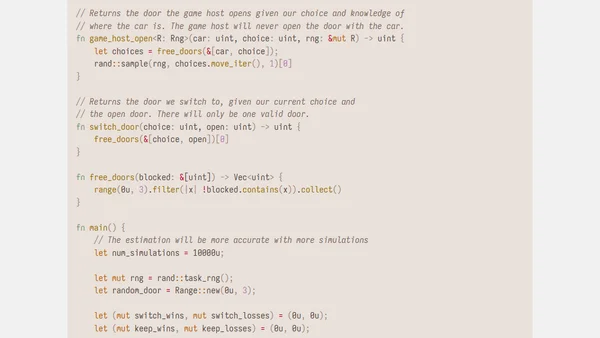
A Rust programming simulation of the classic Monty Hall probability problem, demonstrating the counter-intuitive odds.
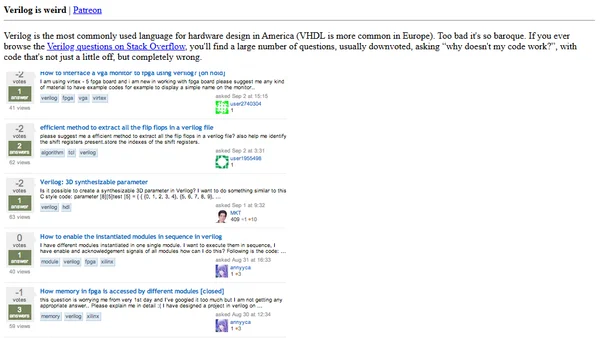
An analysis of Verilog's quirks and why seemingly logical code can fail or produce unexpected hardware synthesis results.