How new Linux users can increase their odds of success
Tips for new Linux users to improve their success rate, focusing on the OS's strengths for programmers and technical users.
Explains disk encryption basics for non-technical users, covering why it's needed, how it works, and different implementation types.
The article critiques modern OS design, arguing that Windows, macOS, Android, and iOS now prioritize vendor interests over user needs, coining the term 'vendor-purpose OS'.
A review of the Nand to Tetris course, which teaches how to build a computer from first principles, from logic gates to a high-level language.
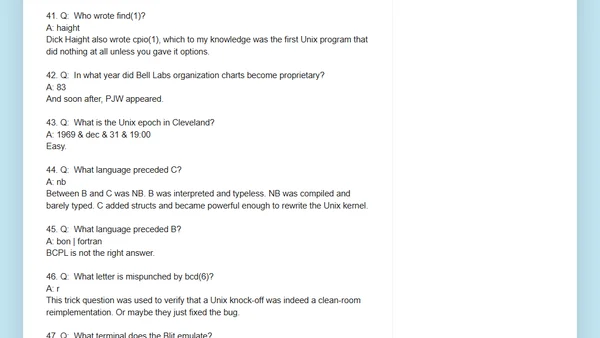
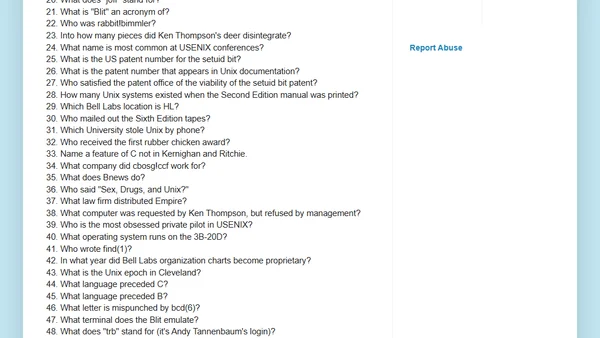
Answers and historical context for a 1984 Unix/mpx exit quiz, covering early Unix trivia, commands, and Bell Labs lore.
A challenging Unix trivia quiz with historical context, originally used to control program exit and later featured at a USENIX conference.
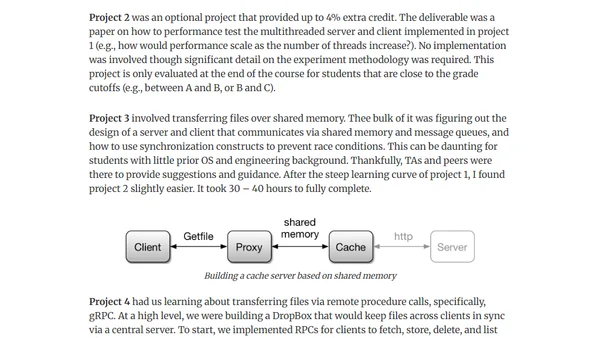
A graduate's review of the challenging CS6200 Introduction to Operating Systems course in the OMSCS program, covering projects, workload, and tips.
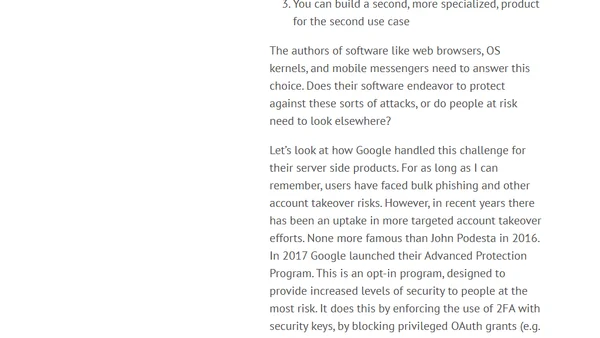
Explores the challenge of building safety-critical software for high-risk users like activists, contrasting it with mainstream security needs.
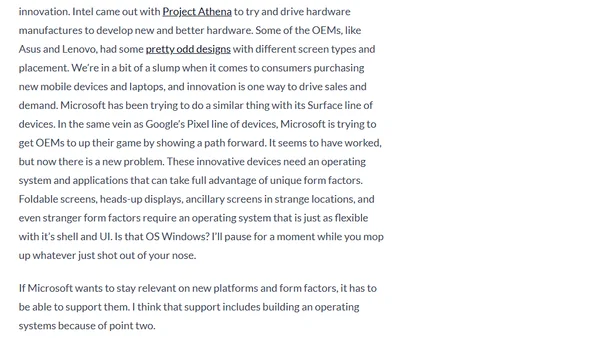
Analysis of Microsoft's rumored 'Lite OS' and its potential to replace Windows for consumers, focusing on Microsoft's shift to services.
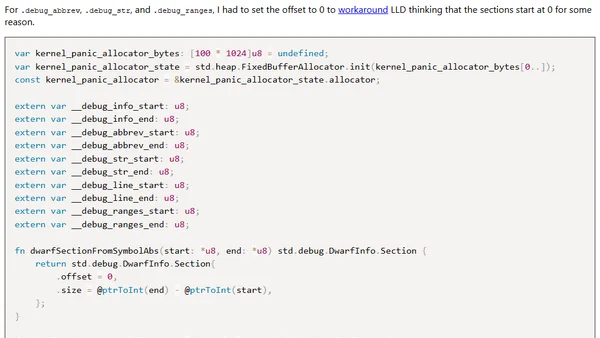
A developer details using Zig to implement stack traces for kernel panics in a custom bare-metal OS for a Raspberry Pi arcade game project.
A blog post reviewing a video presentation by Rob Pike on the history and development of the Unix operating system at Bell Labs.
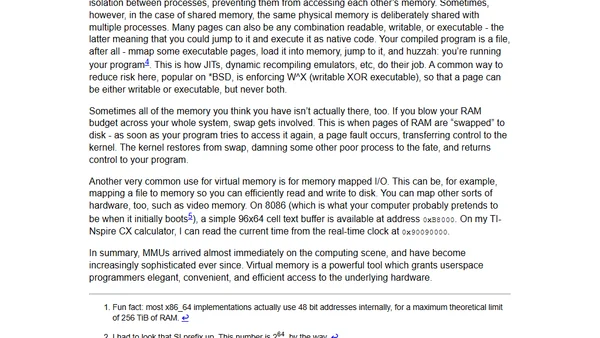
Explains virtual memory, MMU, page tables, and how processes use memory mapping and swap space.
A developer shares their experience using FreeBSD CURRENT as a daily driver for software development, detailing the setup, workflow, and hardware issues that led them to switch back to Arch Linux.
A critique of the Unix fork() system call, arguing it's a flawed design that leads to issues like the OOM killer and file descriptor management problems.
Explains software portability, emphasizing the importance of standards like POSIX for running code across many systems and fostering innovation.
A technical comparison of container technologies (Linux containers, Solaris Zones, BSD Jails) versus VMs, focusing on design philosophy and flexibility.
A deep dive into debugging a memory allocation issue in an operating system, starting from a bug report about slow iter_content performance.
A look at the origins and global impact of the Linux operating system, from Linus Torvalds' 1991 project to its widespread use today.
Explains how preemptive multitasking and process scheduling work in KnightOS, an open-source OS for TI calculators.
A student reflects on completing a series of challenging Pintos operating system labs, implementing system calls and synchronization.