LINQ on steroids with SIMD
Explores using SIMD instructions and Vector<T> to accelerate LINQ queries in C# for high-performance data processing.
A tutorial on building a custom, reusable ToolTip component from scratch using Blazor WebAssembly, C#, and .NET.
A software engineer turned vendor discusses the loss of credibility and offers advice on how to be taken seriously when selling software.
The author discusses a new architecture proposal for Hereditas v0.3, a tool for creating trustless digital legacy boxes, and seeks community feedback.
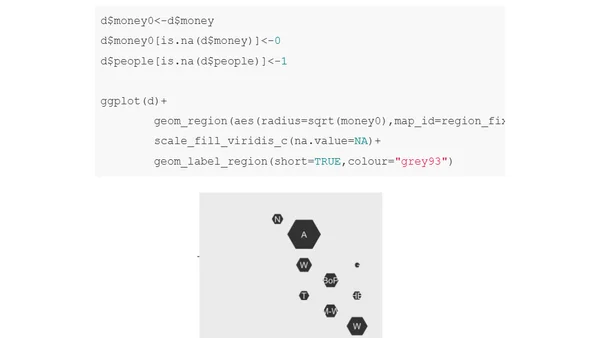
An introduction to the #30DayChartChallenge, a community data visualization event with daily prompts for April, including its origins and format.
A tutorial on using C# Source Generators to automatically embed build information like timestamp and configuration into your code during compilation.
Learn how to use the C# 'is not' operator with exception filtering to write cleaner and more maintainable error handling code.
Explores implementing pattern matching in Python using predicates and combinators, detailing custom MatchResult types and pattern semantics.
A guide to implementing in-memory caching in .NET using IMemoryCache to improve application performance and reduce database calls.
Explains the Skip and Take methods in C# LINQ for implementing pagination and limiting query results.
A critical analysis of the 'architect' role in software engineering, exploring its common anti-patterns and organizational dysfunction.
A developer argues for minimal, strategic code commenting, using examples to show how clear naming and structure can often replace verbose comments.
A guide on building an Azure Functions extension to read files from AWS S3, based on a talk at the Sydney Serverless Meetup.
A critical look at benchmarking in .NET, emphasizing the importance of context and real-world performance over isolated micro-optimizations.
Argues that deploys and releases are distinct concepts and that relying on deploys to change user experience is problematic.
Explores the Liskov Substitution Principle using the classic 'Is a square a rectangle?' example in object-oriented programming.
Part 3 of a series on writing a .NET profiler in C#, focusing on creating a source generator to automate boilerplate code for the profiling API.
Explains the Humble Object design pattern for separating hard-to-test dependencies from core logic to improve unit testing in software development.
Compares performance of C# collection types like List<T>, ReadOnlyCollection<T>, ImmutableArray<T>, and ImmutableList<T> in iteration benchmarks.
Explores the shift from the traditional testing pyramid to a testing diamond model, emphasizing more integration tests for modern architectures.