Tobias Zimmergren
Tobias Zimmergren is a cloud technology leader, CTO and co-founder of pons.io, former Microsoft MVP, and Azure expert with deep experience in enterprise architecture, community building, and technical education.
Luke Murray is an ISM Service Lead at HSO and a Microsoft MVP in Azure based in Hamilton, New Zealand. With over a decade of experience, he specializes in designing secure, scalable cloud solutions using Microsoft Azure, DevOps practices, Infrastructure as Code, and cloud-native architectures, while actively contributing to the global Microsoft community.
Charlie Gerard is a senior cybersecurity research engineer and creative technologist, specializing in machine learning, HCI, and interactive systems. He shares experiments, talks, and projects blending hardware, JavaScript, and creative technology.
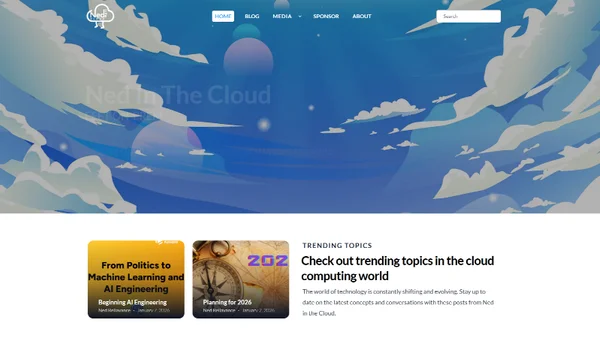
Ned Bellavance — Veteran IT professional and founder of Ned in the Cloud, creating courses, podcasts, and technical content on cloud and infrastructure.
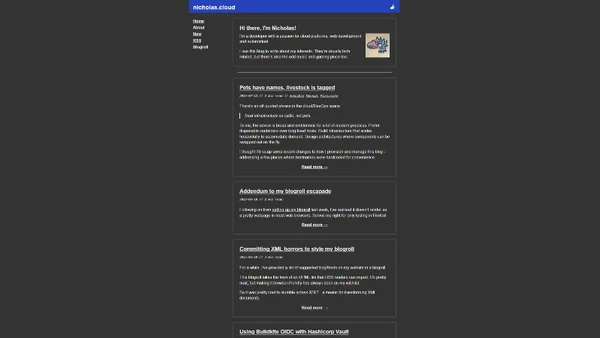
Nicholas Whittaker — developer focused on cloud platforms, DevOps, web development, and automation. On this blog, he writes practical, experience-driven posts about infrastructure, CI/CD, tooling, and modern ops workflows, with the occasional dive into music and gaming.
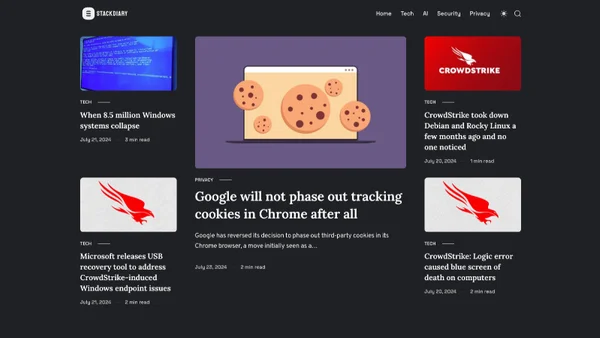
Stack Diary is a tech-focused publication delivering concise, timely coverage of major technology incidents, outages, and industry news, helping readers quickly understand the impact of critical events in the tech world.
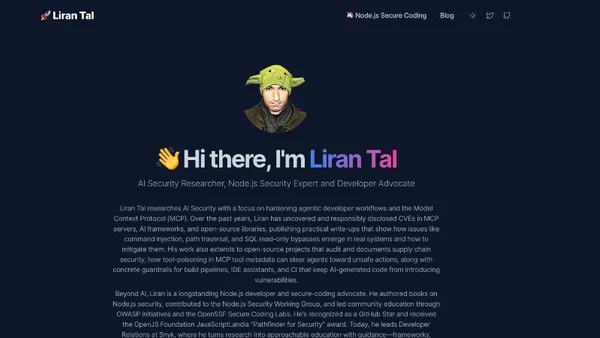
Liran Tal is an AI security researcher and Node.js security expert focusing on securing agentic AI workflows, MCP, and software supply chains through research, education, and open-source work.
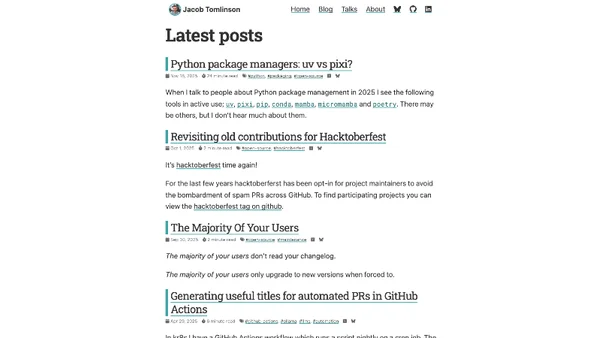
Jacob Tomlinson writes about Python, open-source development, GitHub Actions, automation, and best practices for software maintenance.
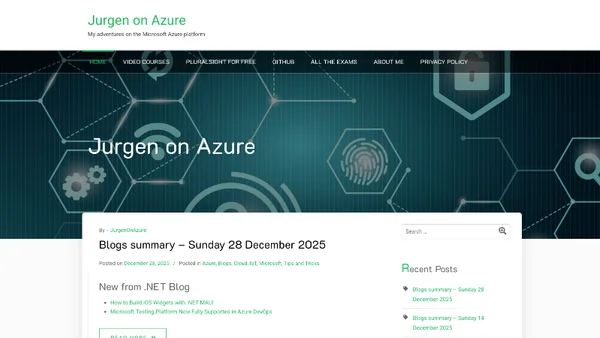
Jurgen Kevelaers is an independent software architect and developer specializing in Microsoft .NET and Azure, focused on building scalable, cloud-based, and maintainable systems.
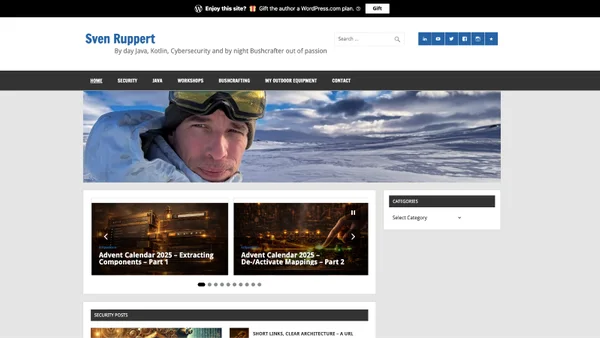
Sven Ruppert is a Java and Kotlin developer focused on cybersecurity, software architecture, and hands-on engineering, sharing practical tutorials, workshops, and deep dives into secure, modern Java development.
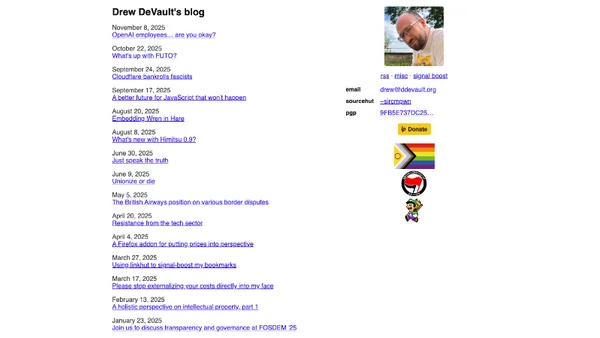
Drew DeVault’s blog features sharp commentary on open source, software engineering, programming languages, ethics in tech, and the social impact of technology.
Jeff Atwood — Software developer, writer, and entrepreneur best known as co-founder of Stack Overflow and the Stack Exchange network, and co-founder of Discourse, writing about software development, community building, and the human side of programming.
Simon Willison — Independent developer and writer documenting practical experiments, tools, and deep analysis around large language models, generative AI, web development, security, and emerging programming workflows through detailed posts and daily TILs.
Maxence Poutord est un développeur logiciel spécialisé dans l'architecture Vue.js, les workflows Git et le développement web moderne. Découvrez des insights issus de 3 ans de maintenance d'une énorme base de code Vue.js incluant 9 leçons essentielles, décisions d'architecture pour faire évoluer de grandes applications et tests d'intégration avec Testing Library. Explorez des tutoriels Git complets incluant des cheat sheets avancées, la compréhension des mécanismes internes de git commit et l'optimisation de gitconfig personnalisé. Apprenez la migration de Gatsby.js vers Astro, l'intégration de commentaires Giscus dans les blogs Astro et 10 ans d'expérience en blogging. Suivez pour la sensibilisation à la cybersécurité sur les arnaques crypto, des projets open-source incluant docker-symfony et l'assistant IA YoutubeMate, et des insights pratiques de développement web. Accédez aux projets phares et 62+ articles de blog sur JavaScript, les tests et l'architecture logicielle.
Cassidoo.co is the personal blog of Cassidy Williams, a well known developer, speaker, and educator who writes about JavaScript, React, career growth, web development, dev tools, and learning in public. Her posts mix technical insights with approachable explanations, covering topics like UI patterns, coding tips, productivity workflows, and the human side of software engineering. Cassidy is known for her weekly newsletter, open-source work, and community involvement.
SimonWillison.net is the long-running blog of Simon Willison, a software engineer, open-source creator, and co-author of the original Django framework. He writes about Python, Django, Datasette, AI tooling, prompt engineering, search, databases, APIs, data journalism, and practical software architecture. The blog includes detailed notes from experiments, conference talks, and real projects. Readers will find clear explanations of topics such as LLM workflows, SQL patterns, data publishing, scraping, deployment, caching, and modern developer tooling. Simon also publishes frequent micro-posts and TIL entries that document small discoveries and tricks from day-to-day engineering work. The tone is practical and research oriented, making the site a valuable resource for anyone interested in serious engineering and open data.
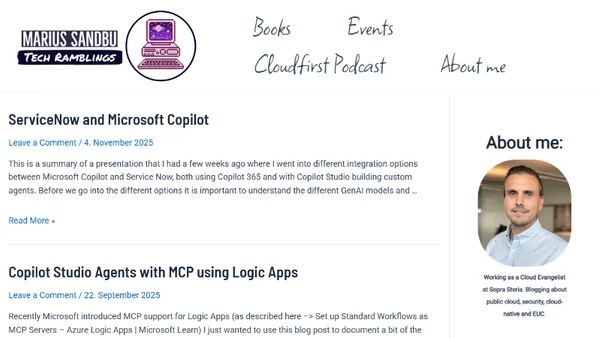
Marius Sandbu is a Norwegian cloud architect and technology evangelist, best known for his long-running blog msandbu.org, where he’s been sharing in-depth insights on cloud infrastructure, security, and end-user computing since 2012. He currently works as a Nordics Lead Cloud Architect at Sopra Steria, helping enterprises design and secure complex multi-cloud environments across Azure, AWS, and Google Cloud. A long-time Microsoft MVP (Azure) and conference speaker, Marius is also the author of several books on topics such as Citrix NetScaler and cloud security. Through his blog, talks, and the Cloudfirst podcast, he bridges the gap between enterprise IT and real-world implementation, offering clear, experience-driven guidance for cloud professionals who value depth over hype.
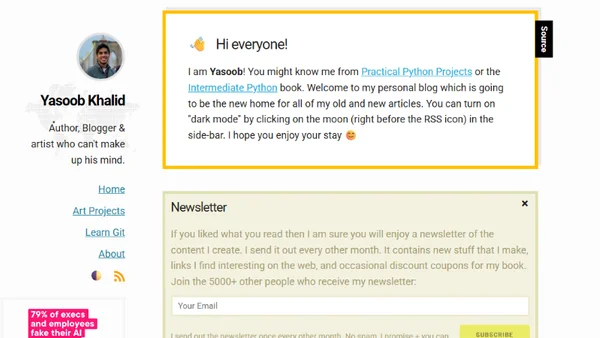
Yasoob Khalid is a developer and writer best known for the free, open-source book Intermediate Python and his project-driven follow-up, Practical Python Projects. His articles and books have reached 5+ million readers across 189+ countries, and his blog remains a go-to place for clear, practical Python insights. By day, Yasoob works on Azure Cloud Networking at Microsoft, and by night he continues to publish tutorials, notes, and experiments that demystify real-world Python for learners at every level. He’s also the author behind the long-running Python Tips site and newsletter, where he focuses on approachable explanations and hands-on examples.
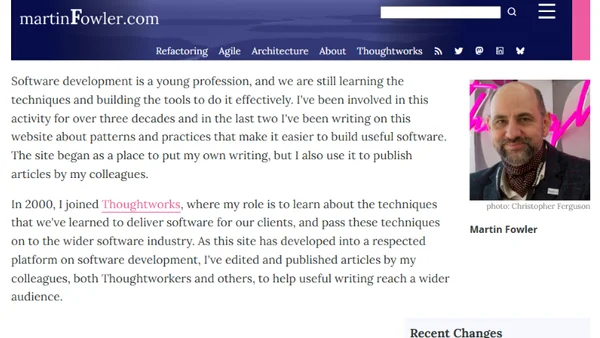
MartinFowler.com is the long-running technical blog of Martin Fowler, author, software architect, and Chief Scientist at ThoughtWorks. The site serves as a cornerstone for modern software engineering, featuring influential essays and guides on software architecture, refactoring, agile methodologies, design patterns, and continuous delivery. Martin’s writing combines deep technical expertise with a clear, educational tone, making complex ideas about domain-driven design, microservices, and testing strategies accessible to engineers of all levels. Classic works like Refactoring, Patterns of Enterprise Application Architecture, and Continuous Integration originated from concepts first explored on this blog. With over two decades of archives, MartinFowler.com remains one of the most authoritative and enduring resources in professional software development.
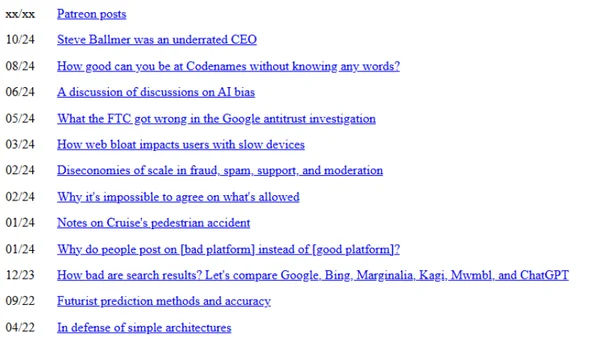
DanLuu.com is the personal blog of Dan Luu, known for long-form essays that mix systems thinking with careful measurement and clear writing. The topics range from computer latency and input lag, testing versus informal reasoning, and concurrency bugs, to industry pieces on developer compensation and curated lists of programming blogs worth reading. Many posts include data, historical context, and reproducible reasoning, which is why the site is often cited in courses and shared across the developer community. The design is intentionally minimal, which puts all attention on the ideas.