Reactive Manifesto 1.0
The Reactive Manifesto outlines a blueprint for building modern, scalable applications that are event-driven, resilient, and interactive.
A guide to optimizing web performance by reducing request latency, streamlining responses, and leveraging modern infrastructure to handle traffic efficiently.
Argues that SQL databases are inherently non-scalable, questioning the effectiveness of traditional scaling techniques like caching and sharding.
Explains the purpose and importance of PartitionKey and RowKey in Windows Azure Table Storage for data partitioning and query performance.
Discusses how cloud platforms like Windows Azure are democratizing IT, enabling rapid, scalable application development for startups and large organizations alike.
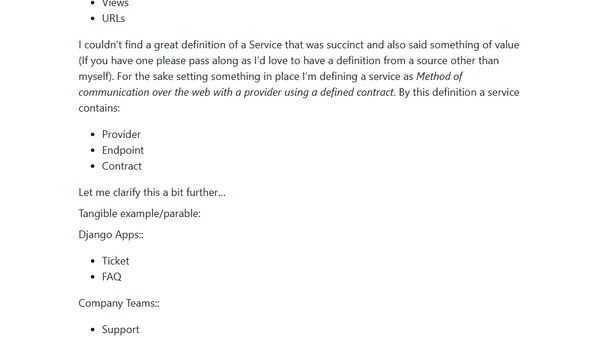
A critique of Django's app model and advocating for a service-oriented architecture to improve maintainability and scalability in complex applications.
Explores advanced techniques for using Windows Azure Queues, including back-off polling, handling large messages, and implementing state machines.
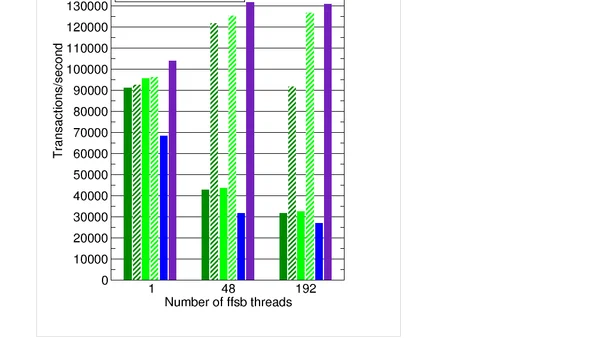
A developer presents benchmark results showing ext4 filesystem scalability improvements on a 48-core system for an upcoming Linux kernel talk.
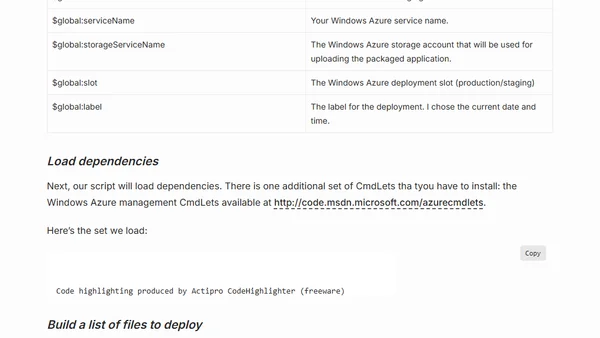
A guide to using PowerShell scripts to temporarily migrate on-premise applications to Windows Azure during traffic spikes and back again.
Announcement and preview of SQLBits VI, a free SQL Server conference in London focused on performance and scalability.
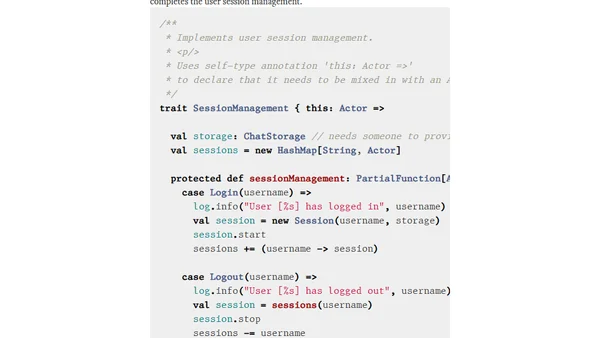
Introduces Akka, an open-source toolkit for building concurrent, scalable, and fault-tolerant applications using the Actor Model in Scala and Java.
A session recap on cloud computing basics and the Windows Azure Services Platform, covering components and architectural challenges.
An analysis of Twitter's mainstream growth and the challenge of managing information overload, predicting its potential decline in usefulness.
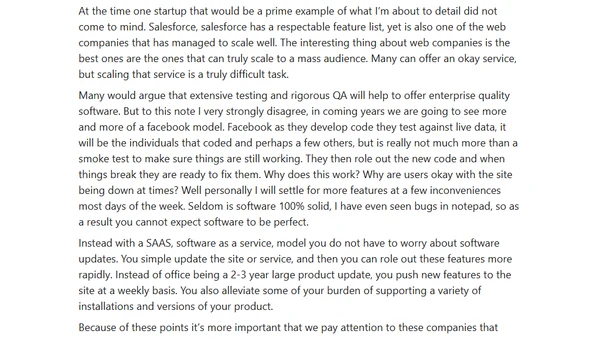
Discusses the scalability advantages of the Software-as-a-Service (SaaS) model, using examples like Facebook and Salesforce.
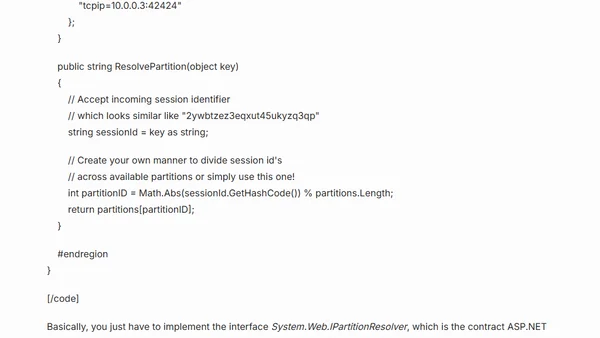
Explains how to implement ASP.NET Session State Partitioning to scale session storage across multiple servers using a custom resolver.
Explores using asynchronous programming in ASP.NET to build scalable applications, based on a session by Jeff Prosise.