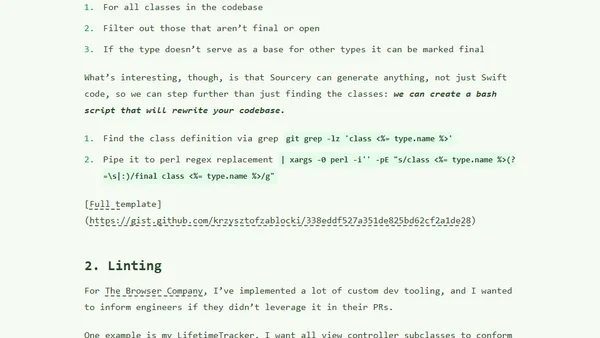
Practical Sourcery examples
Explores advanced use cases for Sourcery, a Swift metaprogramming tool, with practical examples like finding classes to make final and custom linting.
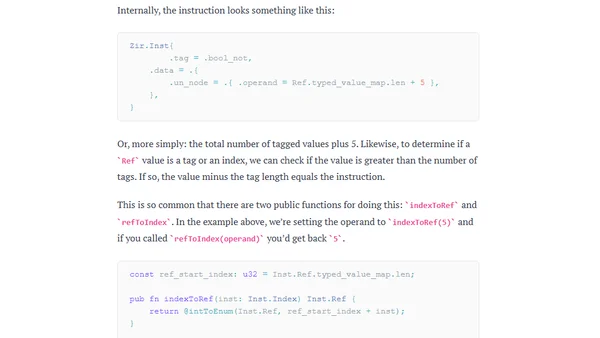
Explains the Zig compiler's AstGen stage, which converts Abstract Syntax Trees (AST) into the untyped Zig Intermediate Representation (ZIR).
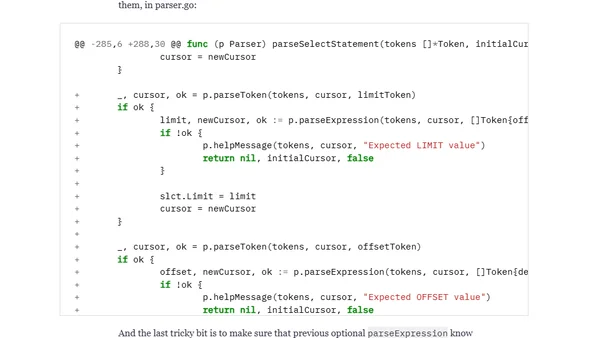
A technical guide on adding LIMIT and OFFSET clause support to the gosql SQL database engine built in Go.
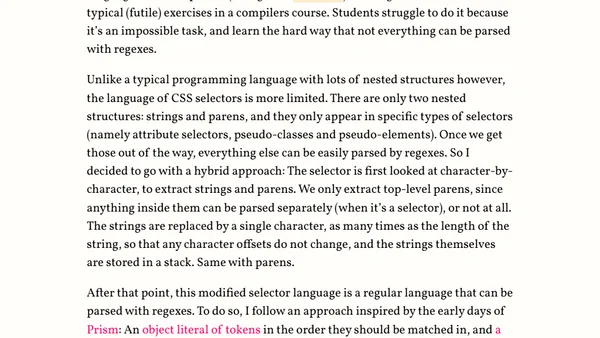
Introducing Parsel, a tiny, permissive CSS selector parser with AST walking and specificity calculation methods.
An in-depth look at how type system compilers like TypeScript work, focusing on type checks and building a custom compiler.
An in-depth guide explaining what JavaScript source maps are, why they are useful, and how to build a compiler that generates them from scratch.
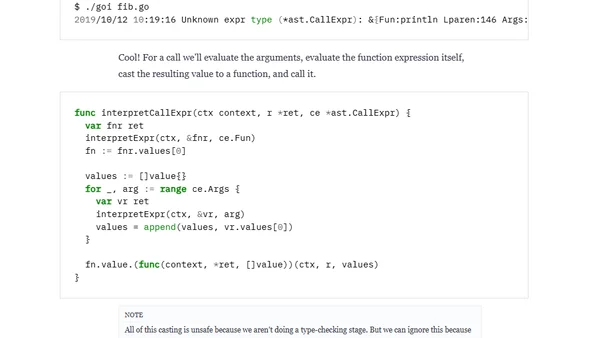
A technical guide on building a simple Go interpreter using the Go AST parser to directly interpret and execute a recursive Fibonacci program.
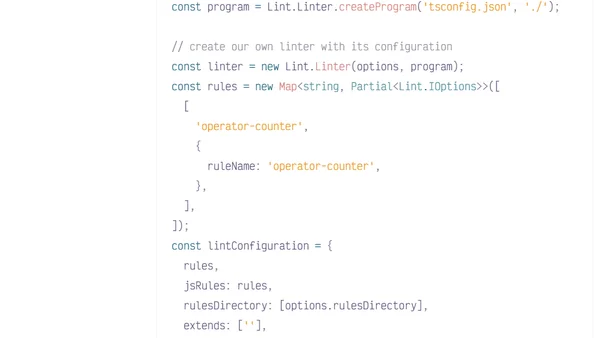
A developer shares how they created a custom TSLint rule to count RxJS operators in a project, exploring AST manipulation.
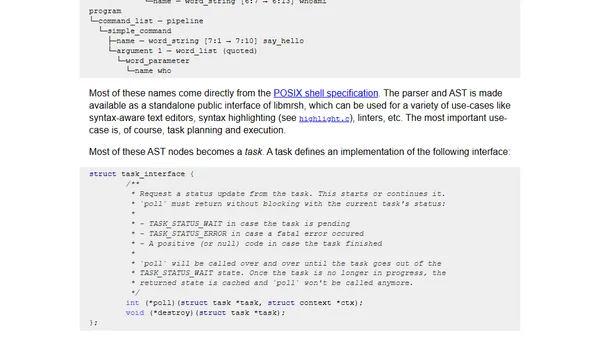
Explores the design and implementation of a POSIX shell, focusing on its parser, AST generation, and task-based execution model.
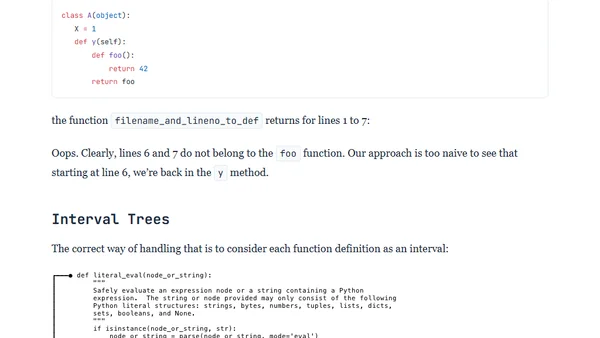
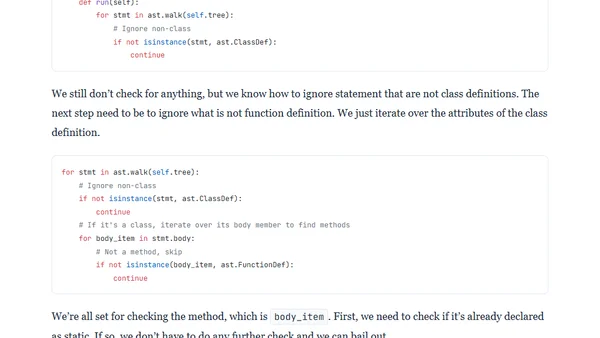
Learn how Python's Abstract Syntax Trees (AST) work and how to use the `ast` module to analyze your code structure.
A guide to writing custom Babel macros for zero-config code transformation, using a fun example to get started.
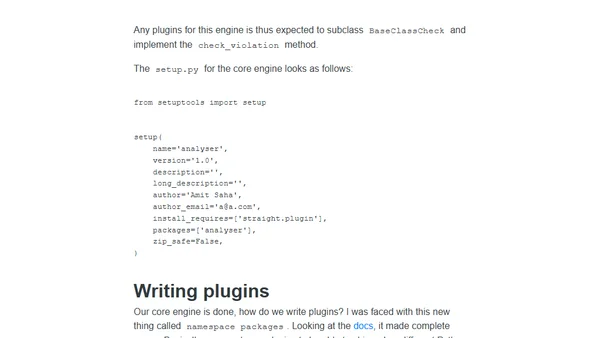
A developer builds a plugin-based Python code analyzer using straight.plugin and AST parsing to enforce coding standards like class naming and docstrings.
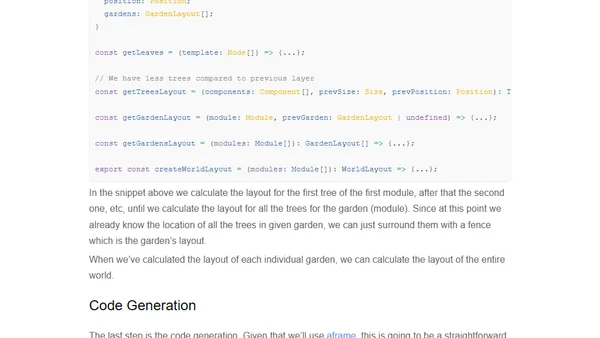
Exploring the use of WebVR to create a gamified IDE, visualizing Angular application source code as a Minecraft-like virtual world.