LLM-powered Biographies
An experiment comparing how different large language models (GPT-4, Claude, Cohere) write a biography, analyzing their accuracy and training data.
Eugene Yan is a Principal Applied Scientist at Amazon, building AI-powered recommendation systems and experiences. He shares insights on RecSys, LLMs, and applied machine learning, while mentoring and investing in ML startups.
185 articles from this blog
An experiment comparing how different large language models (GPT-4, Claude, Cohere) write a biography, analyzing their accuracy and training data.
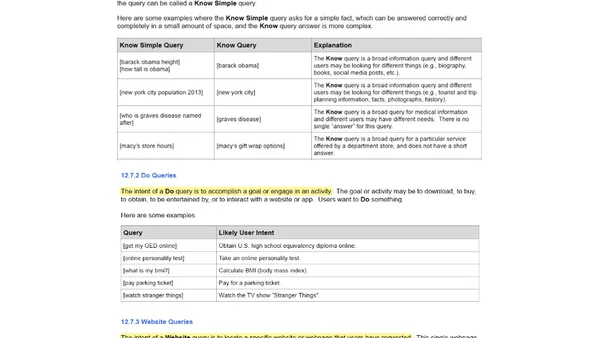
A guide on creating effective data labeling guidelines for machine learning, covering principles like Why, What, and How, with examples from Google and Bing.
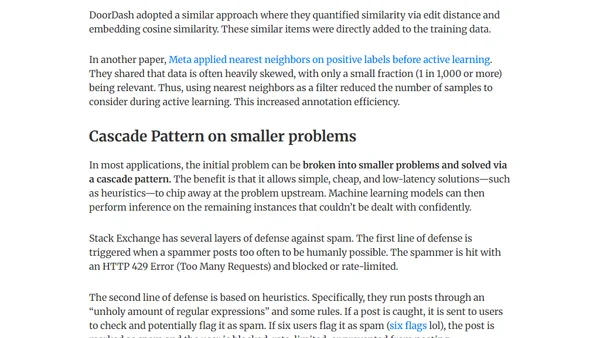
Explores five industry patterns for building robust content moderation and fraud detection systems using ML, including human-in-the-loop and data augmentation.
Explores practical team mechanisms like end-of-week debriefs and monthly learning sessions to boost productivity and collaboration in technical teams.
Explores practical mechanisms like pilot/copilot roles and literature reviews to improve the success rate of machine learning projects.
A developer shares their experience migrating from Roam Research to Obsidian for note-taking, including steps, plugins, and syncing setup.
Strategies for managing team dependencies in tech organizations when other teams can't provide support, focusing on understanding constraints and building trust.
A data scientist reviews his 2022 goals, including technical writing on ML topics and career progression, and sets new goals for 2023.
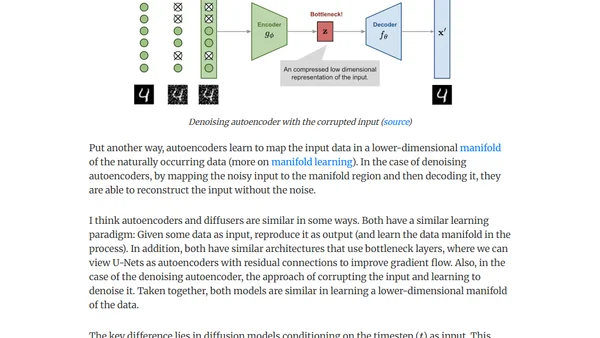
Compares autoencoders and diffusers, explaining their architectures, learning paradigms, and key differences in deep learning.
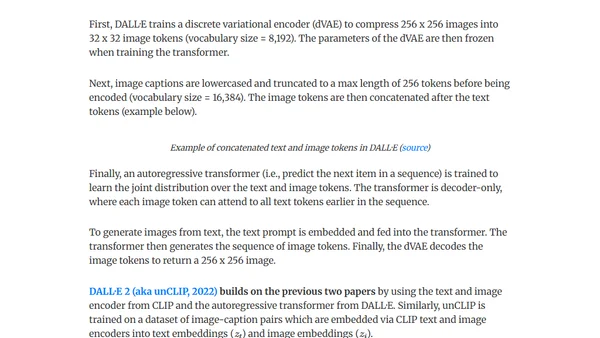
Explains core concepts behind modern text-to-image AI models like DALL-E 2 and Stable Diffusion, including diffusion, text conditioning, and latent space.
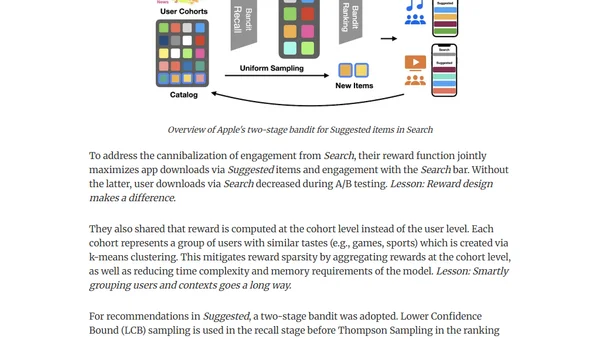
A recap of the RecSys 2022 conference, highlighting key trends, favorite papers, and lessons learned in recommendation systems.
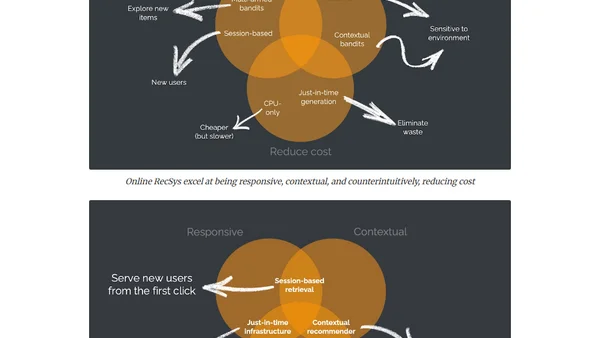
A keynote exploring the trade-offs between batch and online recommender systems, with real-world examples from Amazon Books.
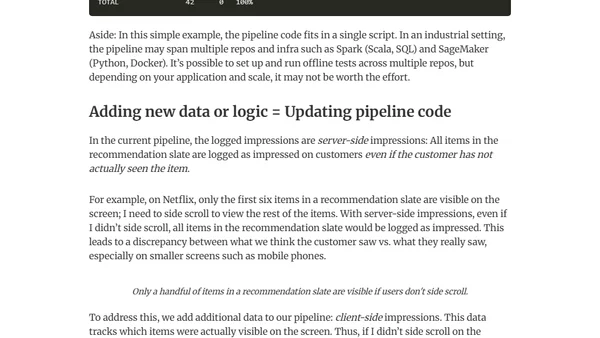
Explores why data and ML pipeline tests break incorrectly and offers strategies for writing more robust unit, schema, and integration tests.
Explores why complex ideas and systems are often favored over simpler ones in tech and academia, and argues for the advantages of simplicity.
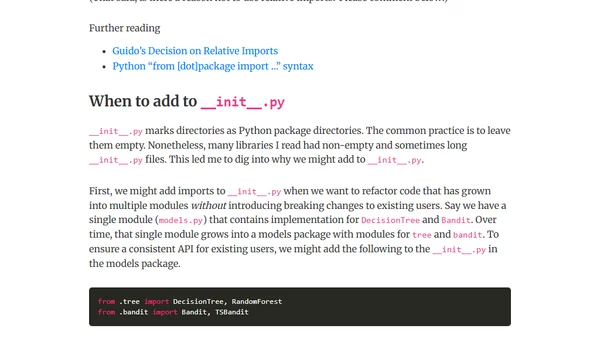
Explores advanced Python techniques like using super() in base classes for cooperative multiple inheritance, based on analysis of popular libraries.
Explains the benefits of writing weekly 15-5 reports for productivity, visibility, and team trust in a tech/engineering context.
Explores the application of classic software design patterns, like the Factory pattern, to machine learning code and systems, using examples from PyTorch, Gensim, and Hugging Face.
A senior tech professional shares practical guidelines and mindset strategies for effectively onboarding into a new mid-to-senior role in the tech industry.
Explores bandit algorithms like ε-greedy, UCB, and Thompson Sampling to improve recommender systems by balancing exploration and exploitation.
Explains position bias in recommendation systems and methods to measure and reduce its impact on user engagement and model fairness.